
How Does Builder's Risk Insurance Work?
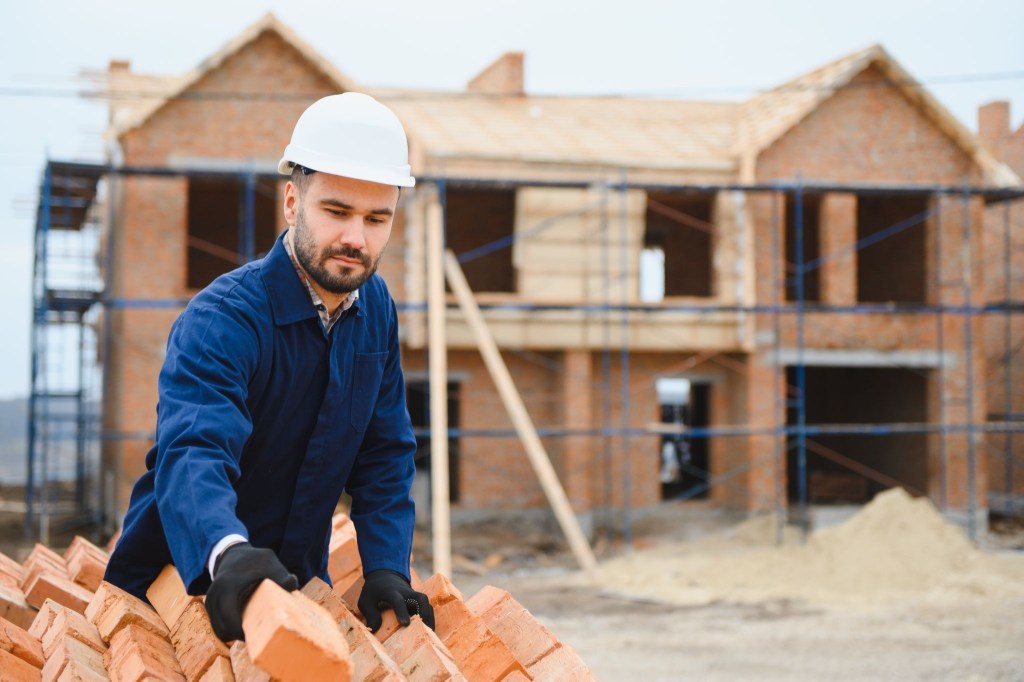
Starting a construction project involves more than hiring contractors and purchasing materials. Every stage brings opportunities for progress, but unexpected setbacks can also appear without warning. A fire, severe weather, theft, or vandalism can damage work that took weeks or months to complete. Builder’s risk insurance helps reduce the financial impact of those events while construction continues. Understanding how this coverage works makes it easier to protect your investment before construction begins.
Understanding Builder's Risk Insurance
Builder’s risk insurance provides temporary protection for buildings while they are under construction, renovation, or major remodeling. Unlike standard property insurance, it focuses on projects that have not yet reached completion. Knowing how this specialized coverage works creates a stronger foundation for every construction decision.
What Builder's Risk Insurance Protects
Builder’s risk insurance covers property that becomes part of the completed structure during construction. It commonly protects the building itself, along with many materials, fixtures, and supplies used for the project. Coverage usually begins when construction starts or on the effective policy date, depending on the insurer. The policy remains active until construction finishes or another condition listed in the policy ends coverage. Since every project differs, insurers customize coverage based on the property’s size, value, and scope of work. Reviewing the policy before construction begins helps confirm that it matches the project’s specific needs.
Why This Coverage is Temporary
Construction creates risks that disappear once the building is complete and occupied. Builder’s risk insurance exists only to protect the project during that temporary period. After construction ends, permanent property insurance generally replaces builder’s risk coverage. That transition reflects the different risks associated with completed buildings. Temporary coverage also allows insurers to evaluate projects based on construction activities instead of long-term property ownership. Understanding that distinction helps property owners avoid gaps in protection.
Why Construction Needs This Protection
Construction sites change every day as workers, equipment, and materials move across the property. Those changing conditions increase the chances of accidental damage before the project reaches completion. Builder’s risk insurance helps address those risks while work continues according to schedule.
Every Project Faces Unexpected Risks
Construction rarely follows a perfect schedule from start to finish. Storms can damage unfinished structures before exterior walls or roofing are complete. Theft may delay progress if expensive materials disappear before installation. Vandalism can also create costly repairs that interrupt construction timelines. Even a small fire may affect several completed sections at once. Builder’s risk insurance helps projects recover from covered losses without placing the entire financial burden on the owner or contractor.
Standard Insurance Has Coverage Gaps
Many people assume their existing property insurance protects a building throughout construction. That assumption often leads to unexpected problems after damage occurs. Most homeowners and commercial property policies limit or exclude coverage while major construction is underway. Builder’s risk insurance fills that temporary gap with protection designed for active construction projects. It works alongside other insurance policies instead of replacing them. Understanding those differences helps prevent expensive surprises later.
What Builder's Risk Insurance Covers
Although coverage varies among insurers, most builder’s risk policies share several important protections. Those protections focus on covered property that supports the construction project from beginning to completion. Understanding those coverages helps project owners compare policies more confidently.

Building Materials and Equipment
Most builder’s risk policies protect materials that become part of the finished building. Lumber, drywall, roofing materials, flooring, windows, cabinets, and plumbing fixtures commonly receive coverage. Some policies also protect temporary structures, construction forms, fencing, and scaffolding used during the project. Equipment owned by contractors may require separate coverage depending on policy terms. Every insurer defines covered property differently, so reviewing policy details remains important. Understanding those definitions helps prevent misunderstandings before work begins.
Covered Causes of Loss
Builder’s risk insurance generally covers sudden and accidental physical damage caused by covered events. Fire remains one of the most common causes of covered loss. Many policies also include protection against theft, vandalism, lightning, wind, hail, and certain explosions. Some policies cover debris removal after a covered event, helping construction resume more efficiently. Coverage always depends on the policy language and any endorsements added to it. Reviewing covered perils carefully provides a clearer picture of the protection available.
Soft Costs May Be Included
Physical damage often creates expenses beyond repairing the building itself. Some builder’s risk policies offer endorsements for soft costs resulting from a covered loss. Those costs may include additional architectural fees, engineering services, permit expenses, loan interest, or legal costs connected to construction delays. Advertising expenses for commercial projects may also qualify under certain endorsements. Coverage differs between insurers, so these benefits are not automatically included in every policy. Discussing soft cost coverage before purchasing a policy helps determine whether additional protection makes sense.
Materials Beyond the Job Site
Construction materials are not always stored where the project takes place. Some builder’s risk policies extend coverage to approved temporary storage locations or while materials travel to the job site. That protection can reduce financial losses if covered property is damaged before installation. Prefabricated building components may also qualify when policy conditions are met. Since coverage varies, transportation and off-site storage should always be reviewed carefully. Confirming those details helps avoid unexpected coverage gaps before materials arrive.
Who Can Purchase the Coverage
Several parties involved in a construction project may have a financial interest worth protecting. The responsible party often depends on the construction contract and project ownership. Understanding who typically purchases builder’s risk insurance helps prevent confusion before work begins.
Property Owners and Developers
Property owners often purchase builder’s risk insurance because they have the greatest financial investment in the project. Developers also rely on this coverage when managing residential, commercial, or mixed-use construction. The policy helps protect the property’s value while work remains unfinished. It also provides reassurance that covered losses will not immediately become out-of-pocket expenses. Every construction agreement should clearly identify who is responsible for obtaining the policy. Clear expectations reduce disputes if damage interrupts the project.
Contractors and Project Partners
General contractors sometimes purchase builder’s risk insurance when contracts assign them that responsibility. Subcontractors may also benefit if the policy includes their work or materials. Some projects list multiple insured parties to protect everyone with a financial interest in the construction. Those arrangements often simplify the claims process after a covered loss. Construction contracts should explain each party’s insurance responsibilities before work begins. Careful planning helps eliminate unnecessary coverage gaps.
Lenders May Require Coverage
Construction loans often come with insurance requirements that protect the lender’s financial interest. Builder’s risk insurance is frequently one of those requirements before loan funds are released. The policy helps preserve the value of the project throughout construction. Lenders may also require proof that coverage remains active until completion. Meeting those requirements early helps projects move forward without unnecessary delays. It also demonstrates that the project has appropriate financial protection in place.
How to Choose the Right Coverage
Every construction project has different risks, budgets, and insurance needs. Choosing the right builder’s risk policy requires more than comparing premium prices. A careful review of the project helps determine the most appropriate coverage.
Match the Policy to the Project
New construction, renovations, and additions each create different insurance needs. Residential and commercial projects also present unique risks that insurers evaluate separately. The policy should reflect the type of work being performed and the project’s overall value. Construction methods, materials, and timelines also influence coverage decisions. Selecting a policy designed for the specific project improves financial protection throughout construction. It also reduces the chance of discovering coverage limitations after a loss occurs.
Review Coverage Limits Carefully
Coverage limits should reflect the expected completed value of the project rather than only the current stage of construction. Material prices can change during long construction schedules. Change orders may also increase the overall project cost before completion. Policies with limits that are too low may leave owners responsible for part of a covered loss. Reviewing coverage throughout construction helps keep protection aligned with the project’s value. Periodic updates become especially helpful when significant changes occur.
How Long Does the Coverage Last?
Builder’s risk insurance provides temporary protection while construction remains active. The policy begins and ends according to conditions listed in the insurance contract. Knowing those timelines helps avoid unexpected gaps in coverage.
Coverage Begins Before Risks Increase
Coverage generally starts on the policy’s effective date or when construction begins. Some insurers also begin coverage when approved materials first arrive at the project site. The exact starting point depends on the policy language. Confirming the effective date prevents misunderstandings if damage occurs early in construction. Early protection helps projects recover from covered losses without delaying progress. That preparation creates greater confidence before work officially begins.
Coverage Ends After Construction
Builder’s risk insurance usually ends once the project reaches completion or another policy milestone. Occupancy, ownership transfer, final acceptance, or policy expiration often trigger the end of coverage. Delays may require extending the policy if construction continues beyond the original schedule. Requesting an extension before expiration helps prevent uninsured periods. Permanent property insurance should begin as builder’s risk coverage ends. A smooth transition keeps the completed building protected without interruption.
What Happens After a Covered Loss
Unexpected damage can interrupt construction, but a clear claims process helps projects recover more efficiently. Acting quickly also helps reduce additional losses after the incident occurs. Understanding what happens next allows everyone involved to respond with greater confidence.
Report Damage Promptly
The insurance company should receive notice as soon as a covered loss occurs. Early reporting allows adjusters to inspect damage before conditions change. Photos, invoices, contracts, receipts, and inventory records help support the claim. Contractors should also document damaged materials before cleanup begins whenever possible. Organized records often simplify the claims process and reduce unnecessary delays. Good documentation also helps verify the value of covered property.
Claims Help Construction Continue
Insurance adjusters review the reported damage and compare it with the policy’s coverage. If the claim qualifies, the insurer pays covered repair or replacement costs according to policy terms. Those payments help reduce financial strain after unexpected events. Repairs can begin sooner once funding becomes available. Faster recovery often helps projects return to their planned schedules with fewer disruptions. Financial protection allows construction to continue instead of stopping because of one covered incident.
What Affects Insurance Costs
Builder’s risk insurance premiums vary because every project presents different levels of exposure. Insurers evaluate several factors before determining the cost of coverage. Understanding those factors makes it easier to compare policies and prepare realistic budgets.
Project Details Influence Premiums
The size and value of a construction project strongly influence insurance costs. Larger projects generally require higher coverage limits because more property remains at risk. Expensive materials and specialized construction methods may also increase premiums. Longer construction schedules can raise costs because coverage remains active for additional time. Renovations sometimes present different risks than new construction projects. Insurers consider all of those details together when calculating premiums.
Location Also Matters
Project location affects the level of risk throughout construction. Areas with frequent storms may face higher premiums because weather-related losses occur more often. Regions with higher theft or vandalism rates may also influence pricing. Local fire protection, job-site security, and nearby hazards can also affect underwriting decisions. Strong risk management practices sometimes support more favorable insurance terms. Every location presents a different combination of risks that insurers carefully evaluate.
Builder's Risk vs Other Insurance
Construction projects often require several insurance policies because each addresses different risks. Understanding those differences helps property owners purchase the right combination of coverage. Comparing policies also prevents confusion before a claim occurs.
Builder's Risk vs Property Insurance
Builder’s risk insurance protects buildings while they remain under construction. Standard property insurance generally protects completed structures after occupancy begins. Each policy serves a different stage of the property’s life cycle. Builder’s risk coverage usually ends once construction finishes. Permanent property insurance then takes over to protect the completed building. Having both policies at the appropriate time prevents unnecessary coverage gaps.
Builder's Risk vs General Liability
Builder’s risk insurance covers damage to insured property during construction. General liability insurance responds to claims involving injuries or property damage affecting others. One policy protects the project itself, while the other protects against third-party claims. Many contractors carry both because they address different financial risks. Neither policy replaces the other during active construction. Together, they provide broader protection throughout the project.
Build Smarter With Builder's Risk Insurance
Every construction project deserves careful planning, and insurance should be part of that process from the beginning. Builder’s risk insurance helps protect your investment when unexpected events threaten progress and increase costs. Reviewing your coverage before construction starts can help you avoid gaps that may become expensive later. Partnering with a knowledgeable insurance professional gives your project the protection it needs so you can build with greater confidence from start to finish.
Construction risks change from one project to the next. Read the Greenwood General Insurance Agency blog for trusted insurance resources that help you stay prepared at every stage.