
Supported
Supported Excess Casualty
Additional limits placed above an eligible underlying liability policy written as part of the same overall account structure.
Greenwood General is a wholesale MGA giving retail insurance agents and brokers access to excess liability markets across the United States. Coverage options include supported and unsupported excess; lead, buffer, and higher attachment placements; and follow-form options over both occurrence and claims-made underlying policies.
Greenwood General's wholesale placement capabilities may include supported and unsupported excess. The program's primary focus is commercial casualty, with excess professional options for qualifying accounts. Structures shown are market-dependent and are not available on every risk.
Capacity: up to $10 million may be available for qualifying excess casualty risks, subject to the class, attachment point, underlying coverage, loss experience, and underwriting approval. Minimum premiums may start around $600 per layer. Both are market-dependent program parameters, not guarantees.
Additional specialty classes may be considered. Submit near-miss risks for underwriting review.
Rounding out the account? Greenwood General also writes contractors general liability, management liability, and habitational coverage — or explore all of our wholesale commercial insurance markets.
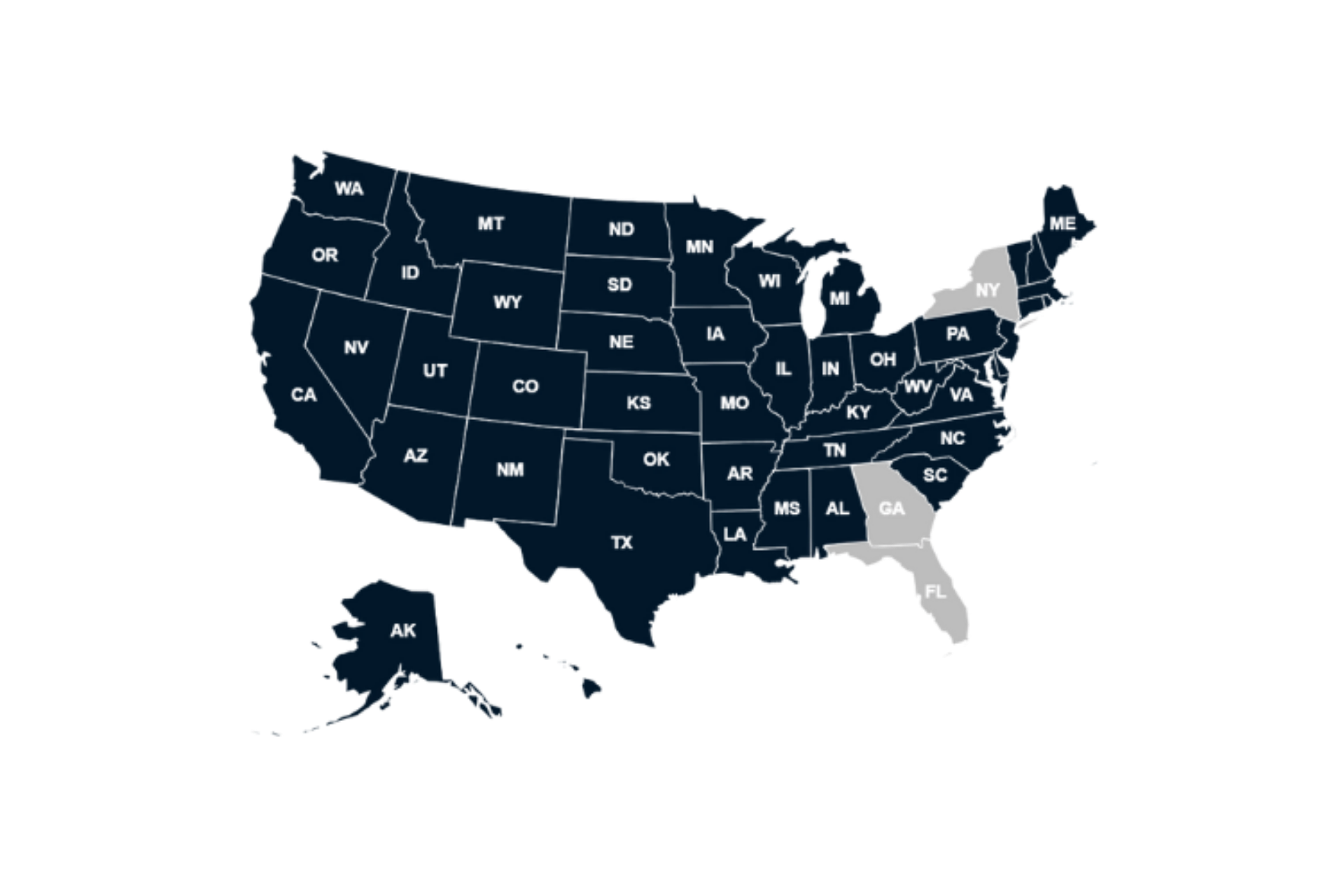
Capacity, coverage form, attachment point, and state availability vary by risk and market. For full eligibility, use "View state eligibility."
Every excess placement is structured around the specifics of the account — the underlying policy and its form, the requested total limit, the attachment point, loss history, operations, coverage continuity, and the exclusions and endorsements in play. Select the structure the account needs and we'll route the submission to the right excess market. Availability, capacity, and terms vary by risk and are subject to underwriting.
Additional limits placed above an eligible underlying liability policy written as part of the same overall account structure.
Excess coverage placed above qualifying primary policies issued through another market, subject to review of forms, limits, endorsements, exclusions, and carrier acceptability.
A first excess layer attaching directly above the required underlying limits, generally the first excess coverage to respond once the underlying is exhausted.
Additional layers attaching above primary or lower excess coverage to help brokers build the requested total limit.
Additional limits over eligible premises, operations, products, and completed-operations liability coverage.
Additional limits over qualifying Commercial Auto and Employers Liability coverage when required underlying limits are maintained.
Follow-form excess options over eligible D&O, EPLI, and Fiduciary Liability coverage.
Additional limits above qualifying professional, allied health, and healthcare liability policies.
Definition: Excess Liability Insurance provides additional limits above one or more scheduled underlying liability policies. It generally responds after the applicable underlying limit has been exhausted by a covered loss, subject to the excess policy's terms, attachment point, exclusions, and follow-form provisions.
Primary liability pays first, from the ground up. Excess liability sits above it: a layer attaches at a defined point — typically the top of the underlying limit — and responds only once that underlying limit is exhausted by a covered loss. A supported excess layer sits over an underlying policy written as part of the same account; an unsupported excess layer sits over a primary policy issued through another market, which the excess underwriter must review for acceptability. The lead excess is the first layer above the underlying; buffer and higher layers stack above it to reach the total limit the account needs.
Many excess policies are follow-form, meaning they generally adopt the underlying policy's terms and exclusions at the excess level. Follow-form does not mean the policies are identical — the excess policy can carry its own exclusions, definitions, conditions, and endorsements that change how it follows form. Whether the underlying is written on an occurrence or claims-made basis also affects placement, since claims-made layers must keep retroactive dates and reporting provisions aligned. That's why brokers should provide every underlying form and endorsement with the submission.
Importantly, excess liability does not automatically broaden the underlying policy. It generally adds limit, not scope — so a gap or exclusion in the underlying often carries up through the tower unless a specific form addresses it. Greenwood places excess over a range of underlying lines, from contractors general liability to management liability, through one wholesale relationship.
Excess vs. umbrella: the terms are often used together but are not always interchangeable. Excess liability generally adds limits over scheduled underlying policies. A true umbrella may, depending on the form, provide broader coverage or drop-down features over a gap in the underlying. Because the label doesn't guarantee the coverage, brokers should confirm the actual policy form rather than the product name — Greenwood does not represent that every placement includes umbrella drop-down coverage.

Excess underwriting leans heavily on complete underlying coverage information, operations detail, requested limits, loss history, and the attachment structure. Here's what to include so the account routes to the right excess market the first time. Not every item applies to every account — include what's relevant to the risk and coverage requested.
ACORD 125, the ACORD Excess/Umbrella application, ACORD 126 or other underlying liability applications, and any applicable supplementals. Signed and dated applications may be required before binding.
Exact business activities, project types, subcontracted work, products, geographic territory, revenue or payroll splits, and any exposure concentrations.
Underlying carrier, policy form, limits, deductibles or retentions, classifications, endorsements, exclusions, additional insured wording, and prior or current policy copies where requested.
Requested total limit, attachment point, lead/buffer/higher layer, supported or unsupported placement, primary or excess position, and target effective date.
Five years of currently valued loss runs where available, with narratives for large, open, unusual, or complex claims — including explanations for losses over $100,000.
For auto exposures: vehicle count and type, radius, commodities hauled, driver information, state and federal filings where applicable, and loss history.
For excess professional accounts: the underlying professional application, revenue by service, client types, professional qualifications, retroactive date, policy form, claims history, and underlying endorsements and exclusions.
Where relevant to underwriting: the insured's website, contracts, brochures, project lists, financial information, and resumes or credentials.
Straight answers to the questions retail agents ask most before placing excess liability business.
Excess liability insurance provides additional limits of liability above one or more scheduled underlying policies. It generally responds only after the applicable underlying limit has been exhausted by a covered loss, subject to the excess policy's own terms, attachment point, exclusions, and any follow-form provisions. Greenwood General places it wholesale for retail agents and brokers who need more capacity than the primary policy provides.
An excess policy sits above a scheduled underlying policy at a defined attachment point. When a covered loss exhausts the underlying limit, the excess layer responds for amounts above that limit, up to its own limit and subject to its terms. Multiple layers can be stacked — a lead layer above the primary, then buffer or higher layers — to build the total limit a broker needs. How each layer responds depends on its form, the underlying coverage, and the loss.
The terms are often used together but are not always interchangeable. Excess liability generally adds limits over scheduled underlying policies and typically follows their terms. A true umbrella may, depending on the form, provide somewhat broader coverage or drop-down features over a gap in underlying coverage. Because the label does not guarantee the coverage, brokers should confirm the actual policy form rather than relying on the product name. Greenwood does not represent that every placement includes umbrella drop-down features.
Follow-form excess generally adopts the terms, conditions, and exclusions of the underlying policy it sits above, applying them at the excess level. It does not necessarily mean the two policies are identical — the excess policy can still carry its own exclusions, definitions, conditions, and endorsements that modify how it follows form. Brokers should review both the underlying and excess forms to confirm how coverage actually lines up.
Supported excess refers to additional limits placed above an underlying policy that is written as part of the same overall account structure. Because the underlying and excess are coordinated, placement can be more straightforward. Availability, limits, and terms still vary by risk and are subject to underwriting.
Unsupported excess is coverage placed above a qualifying primary policy issued through another market. Because the underlying is written elsewhere, the excess underwriter reviews the outside carrier, policy form, limits, endorsements, and exclusions for acceptability before offering terms. Eligibility varies by class, underlying coverage, and jurisdiction.
A lead excess layer is the first excess layer attaching directly above the required underlying limits. It sits closest to the primary and is generally the first excess coverage to respond once the underlying is exhausted. Additional buffer or higher layers can attach above it to reach the requested total limit.
A buffer layer is an excess layer that attaches above the primary or a lower excess layer to help build the requested total limit — often bridging a gap between the underlying and a higher target attachment. Buffer and higher-attachment options may be available depending on the risk, underlying limits, loss history, and requested capacity.
Yes, excess coverage can be placed over claims-made underlying policies, but claims-made placements require careful attention to continuity of retroactive dates and reporting provisions. The excess and underlying triggers must line up, so brokers should provide the underlying retroactive date, form, and endorsements. Follow-form excess over occurrence underlying coverage may also be available, depending on the market.
Excess limits may be available over qualifying Commercial Auto liability when the required underlying limits are maintained — commonly a $1 million combined single limit, though requirements vary by market. Auto exposures are underwriting-intensive, so submissions should include vehicle count and type, radius, commodities hauled, driver information, applicable filings, and loss history. Employers Liability and other lines may carry their own separate underlying minimums.
Underlying limit requirements vary by risk and market. As a representative example from one available market, common minimums may include Commercial General Liability at $1M each occurrence / $2M general aggregate / $1M products-completed operations, Commercial Auto at $1M combined single limit, Employers Liability at $500,000 / $500,000 / $500,000, and Liquor Liability at $1M / $1M where applicable. These are not universal Greenwood requirements — the acceptable limits, carriers, forms, and endorsements are confirmed on each submission.
Capacity of up to $10 million may be available for qualifying Excess Casualty risks, subject to the class, attachment point, underlying coverage, loss experience, and underwriting approval. It is not guaranteed on every account, and higher or lower capacity may apply depending on the risk. Minimum premiums for a layer may start around $1,000, which is also market-dependent.
Excess Professional Liability provides additional limits above a qualifying underlying professional liability policy. Greenwood can pursue excess placements over eligible allied health, healthcare, management liability, and miscellaneous professional liability coverage. Each professional excess placement follows its own applicable underlying policy — excess casualty does not sit over professional liability — so the underlying professional form, retroactive date, and endorsements are reviewed on every account.
Underwriting depends on complete underlying coverage information: the ACORD 125 and Excess/Umbrella application, underlying applications, a full description of operations, and the underlying carrier, form, limits, retentions, classifications, endorsements, and exclusions. Add the requested excess structure (total limit, attachment point, supported or unsupported, lead/buffer/higher), five years of currently valued loss runs with narratives for large or unusual claims, and auto or professional exposure detail where relevant. Submit a risk to get started.
Greenwood gives retail agents access to excess casualty and excess professional markets for risks that need more capacity than the primary policy can provide — supported and unsupported structures, lead and layered placements, and appetite spanning contractor, premises, habitational, and commercial accounts plus professional and management liability opportunities. We never compete with the retail agents we serve.
Capacity, coverage form, attachment point, and state availability vary by risk and market. Confirm eligibility with your underwriter for state-specific requirements or restrictions.