
$1,000 MP
Environmental Contractors Pollution Liability
Operations-based CPL for pollution conditions arising from contracting work and environmental services — the core coverage for remediation, abatement, and restoration firms.
Greenwood General is a wholesale MGA giving retail insurance agents and brokers access to environmental insurance markets across the United States — contractors pollution liability, products pollution liability, pollution legal liability, and site pollution coverage for the operations general liability forms exclude.
A wholesale environmental insurance program built for pollution-driven operations — remediation and abatement contractors, restoration and disaster response firms, industrial services, chemical manufacturers and distributors, and hazardous transportation. The program addresses contractors pollution liability, professional exposures, and environmental products risk through one submission path, so retail agents can round out complex accounts without shopping multiple wholesalers.
Rounding out the account? Greenwood General also writes contractors general liability and commercial package coverage for manufacturers, distributors, and warehouses — or explore all of our wholesale commercial insurance markets.
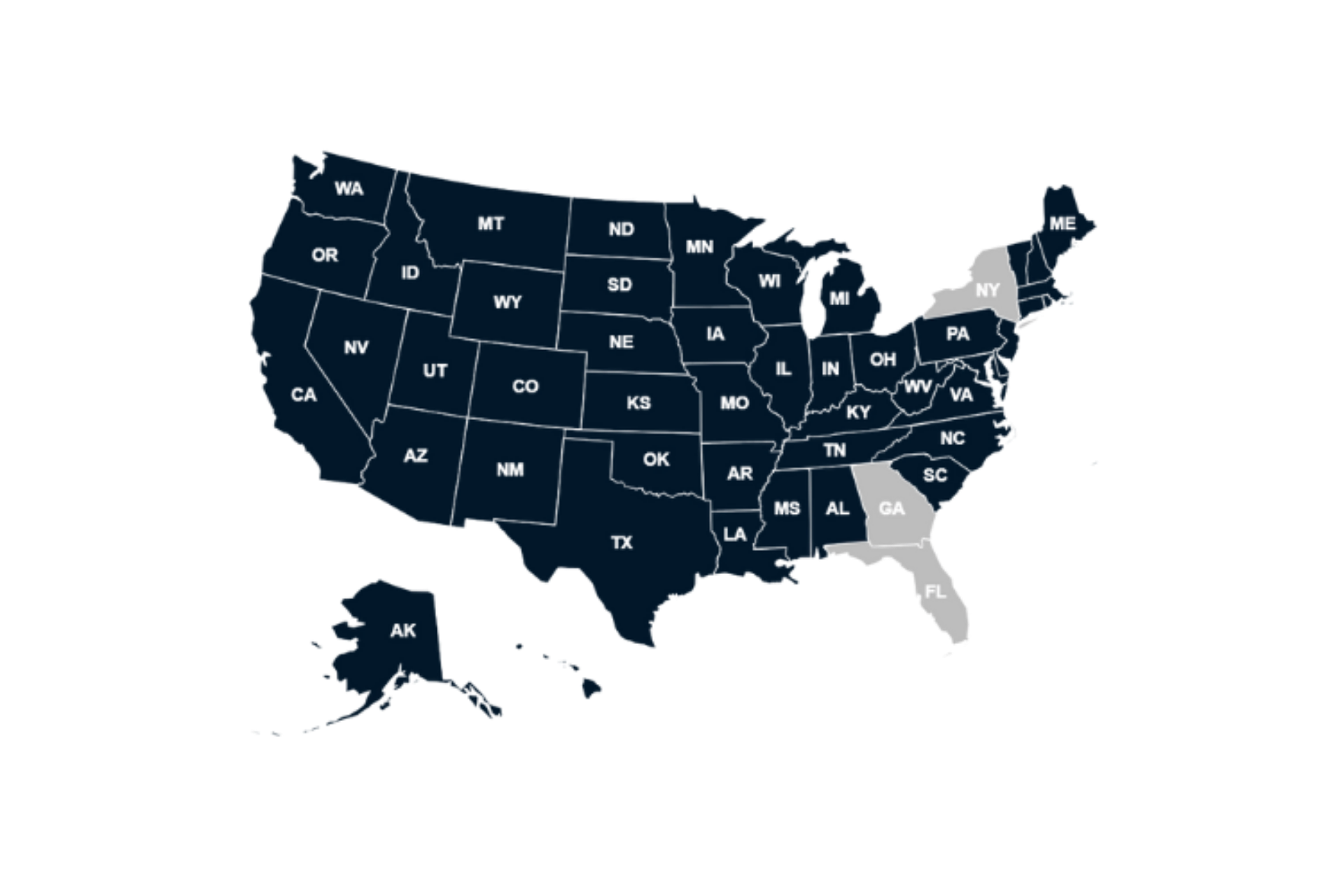
Coverage availability varies by class and underwriting guidelines. For full eligibility, use "View state eligibility."
Four environmental coverage lines under one wholesale relationship — operations-based CPL, products pollution liability, site-based pollution legal liability, and dry cleaner site pollution. Limits shown are per claim / per policy year (MP). Select the coverage the account needs and we will route the submission to the right environmental market.
Operations-based CPL for pollution conditions arising from contracting work and environmental services — the core coverage for remediation, abatement, and restoration firms.
For pollution events tied to manufactured, distributed, or sold products and materials — drums, liners, chemicals, oils, and other environmental products.
Site pollution insurance for third-party claims, cleanup costs, and legal defense related to pollution conditions at, on, or migrating from a covered location.
Site pollution coverage purpose-built for dry cleaner locations — including the legacy solvent contamination exposures these properties carry.
Definition: Contractors pollution liability insurance (CPL) covers pollution conditions arising from a contractor's operations — typically third-party bodily injury, property damage, cleanup costs, and legal defense when contaminants are released during or after covered work. It fills the gap left by standard general liability policies, which exclude most pollution-related losses.
Standard commercial general liability forms carry pollution exclusions that remove coverage for the release, dispersal, or escape of contaminants — which is exactly the exposure remediation firms, abatement contractors, industrial cleaners, and haulers face on every job. Without a dedicated environmental policy, a solvent spill, a disturbed asbestos ceiling, or a fuel release in transit can leave a contractor uninsured for the claim most likely to put them out of business. That's why owners, general contractors, and public entities increasingly require CPL by contract before environmental work begins.
Depending on the form and market, environmental policies can extend to completed operations, transportation pollution, non-owned disposal sites, and professional exposures for firms that combine consulting with contracting. Coverage terms vary by policy — Greenwood General's environmental underwriting team matches each account to the market whose form actually fits the operations, whether that's monoline CPL, products pollution liability for manufacturers and distributors, or site-based pollution legal liability.
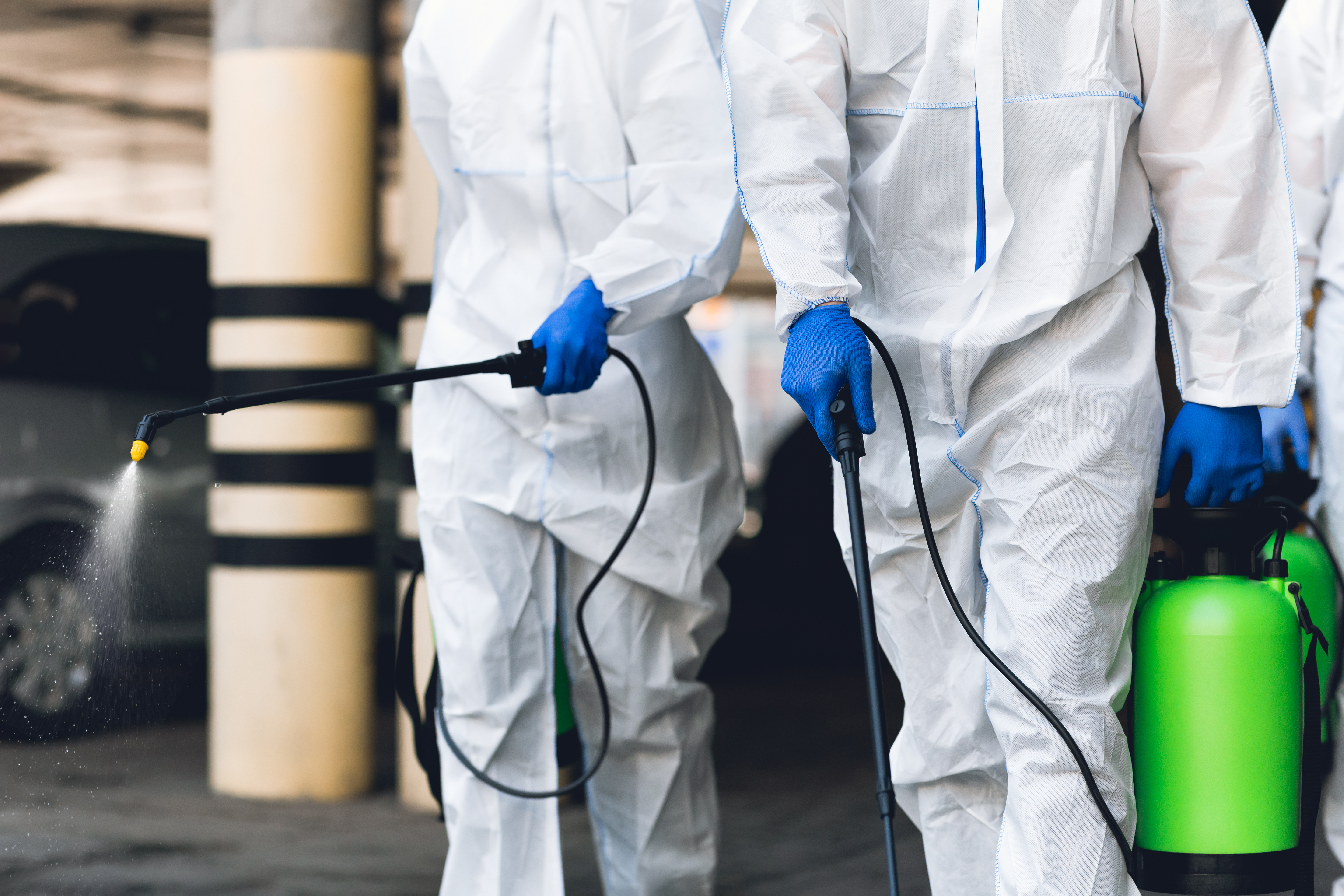
Environmental accounts are underwritten individually — the completeness of the file drives the speed of the quote. Here's what to include so the submission routes to the right pollution market the first time.
Completed ACORD 125/126 with the pollution supplemental application — the supplemental captures the environmental detail underwriting needs to classify the risk.
What the insured actually does: materials handled, remediation methods, certifications and licenses, disposal practices, and the split between contracting and consulting work.
Annual gross receipts and payroll split by type of work, plus subcontractor costs — accurate exposure splits keep environmental pricing firm.
Currently valued loss runs — typically 3–5 years — plus prior and current environmental coverage details, including retroactive dates where claims-made continuity matters.
For haulers and disposal-driven operations: materials transported, radius, and the disposal sites used — the details that determine transportation pollution terms.
Flag required limits, additional insured wording, and the effective date up front — especially where owner or GC contracts mandate pollution coverage before work begins.
Straight answers to the questions retail agents ask most before submitting environmental business.
CPL responds to pollution conditions arising from a contractor's operations — typically third-party bodily injury, property damage, cleanup costs, and legal defense. Depending on the form and market, coverage can extend to completed operations, transportation pollution, and non-owned disposal sites. Exact terms vary by policy, so confirm form specifics with underwriting on each account.
Generally, no. Standard commercial general liability forms carry pollution exclusions that remove most losses arising from the release of contaminants — which is precisely the exposure environmental contractors face every day. That gap is why brokers pair contractor accounts with a dedicated CPL policy. Greenwood General also writes contractors general liability, so both placements can run through one wholesale relationship.
Any business whose operations or products can release contaminants: remediation and abatement contractors, mold and restoration firms, industrial cleaners, pest control operations, chemical manufacturers and distributors, fuel haulers, hazardous waste transporters, and makers of environmental products such as drums, barrels, and landfill liners. Many general and artisan contractors also need CPL when contracts require it.
Mold remediation contractors are a target class in the program, and mold-related exposures are central to environmental forms. Whether mold is a covered pollutant on a given policy depends on the form and market — flag mold exposure in the submission and underwriting will place the account accordingly.
Lead and asbestos abatement contractors are a target class. Coverage for asbestos-related operations depends on the form and market selected, so describe the abatement work, certifications, and disposal practices in the submission for accurate placement.
Transportation-related pollution exposures are within appetite — fuel haulers and hazardous waste transportation are target classes. Coverage for pollution conditions arising from the transport of cargo or waste varies by form; disclose the materials hauled, radius, and disposal sites used.
Products pollution liability responds to pollution events tied to products a business manufactures, distributes, or sells — for example, a drum, liner, or chemical product that fails and releases contaminants after it leaves the insured's control. It is a core option for manufacturers and distributors of chemicals, oils, and environmental products.
Pollution legal liability (also called site pollution insurance) covers pollution conditions at, on, or migrating from a covered location — including third-party claims, cleanup costs, and legal defense. It addresses site-based exposures such as legacy contamination, in contrast to CPL, which follows the contractor's operations.
Target classes include lead and asbestos abatement, mold remediation, industrial maintenance and cleaning, fire/smoke/water and disaster response, environmental response and restoration, pest control, manufacturers and distributors of chemicals, fireworks, and oils, fuel haulers and hazardous waste transportation, and environmental products such as drums, barrels, and landfill liners. Near-miss classes are reviewed individually.
Environmental accounts are underwritten individually, so turnaround depends on the class and completeness of the file. Complete submissions — application, pollution supplemental, operations detail, and loss runs — route to the right market the first time and quote fastest.
Submit online through the Greenwood General risk submission portal with the ACORD application, the pollution supplemental, a clear description of operations, receipts and payroll, and currently valued loss runs. No appointment is required — send the account first and complete the appointment if you move forward.
Yes. Many brokers place CPL alongside the contractor's general liability so the two policies work together — the GL for standard premises and operations exposures, the CPL for pollution conditions the GL excludes. Both placements can run through one Greenwood General relationship.
A wholesale environmental insurance program designed around complex pollution submissions: four coverage lines, focused appetite, responsive environmental underwriting, and practical guidance from submission to bind. We never compete with the retail agents we serve.
Availability varies by class and underwriting guidelines. Confirm eligibility with your underwriter for state-specific requirements or restrictions.