
Built for $2M+ revenue contractors
Designed for larger general contractor and trade contractor operations — higher receipts, bigger jobs, and more complex contract requirements.
Greenwood General is a wholesale MGA giving retail insurance agents and brokers access to contractors general liability insurance markets across the United States — from small artisan trades to larger general contractors, residential and commercial.
The program covers premises and jobsite liability plus products-completed operations, with the certificate and additional insured support that general contractor and owner contracts actually require. Residential construction, commercial construction, and renovation work are all within appetite, and new venture contractors are considered with a trade-experience narrative.
Rounding out the account? Greenwood General also places contractors pollution and professional liability, inland marine, builders risk, and commercial package coverage, and contract and commercial surety bonds — or explore all of our wholesale commercial insurance markets.
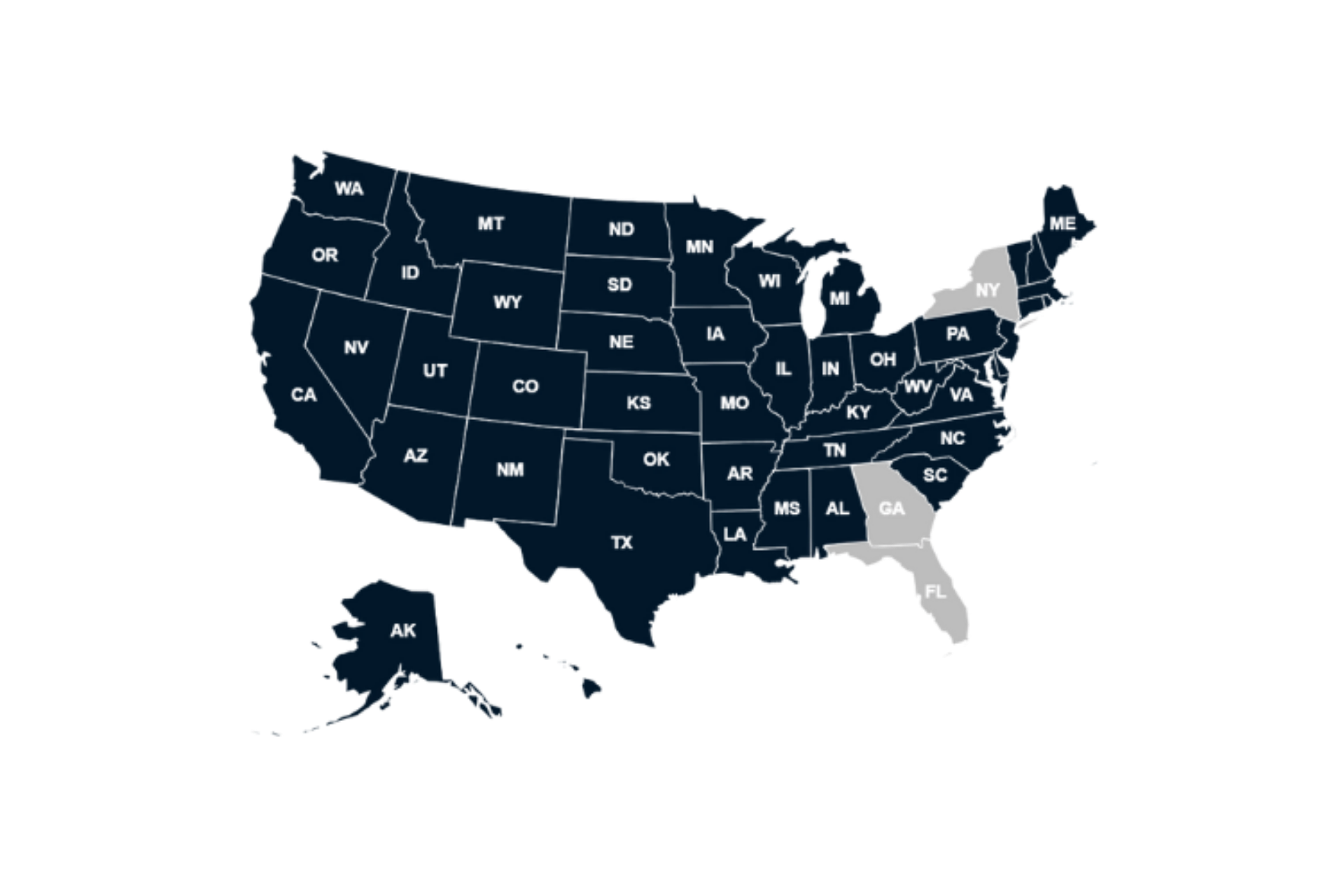
Coverage availability varies by class and underwriting guidelines. For full eligibility, use "View state eligibility."
Purpose-built for general contractors and trade contractors with more than $2 million in annual revenue — commercial construction, larger residential operations, and accounts that have outgrown standard artisan programs. Flexible ISO form options, per-project or per-location aggregate structures, and deductible choices let underwriting shape the placement around how the work is actually performed.
Designed for larger general contractor and trade contractor operations — higher receipts, bigger jobs, and more complex contract requirements.
Commercial general liability with products-completed operations — the coverage owners and GCs require after the job is done.
Both ISO form structures available, so the account can be written the way its risk profile and contract terms demand.
Aggregate structures matched to how the work is performed — critical when contracts require dedicated project limits.
A flexible deductible range to match account size, loss profile, and pricing targets on larger placements.
Multiple A-rated markets and the contractor-friendly endorsements GC and owner contracts require — so you can quote, bind, and issue certificates of insurance with less back-and-forth.
What underwriting needs on every contractors general liability submission, and the details that separate a same-day binder from a week of follow-up emails. When in doubt, submit — near-miss accounts are reviewed individually.
Completed ACORD 125 and 126 with the contractors supplemental application — the supplemental is what lets underwriting classify the operations correctly.
Annual gross receipts and payroll split by operation, plus subcontractor costs. Accurate exposure splits keep the quote firm and avoid surprises at audit.
Currently valued loss runs — typically 3–5 years — with prior carrier and premium. New ventures can substitute a trade-experience narrative for loss history.
Percentage of work subbed out and whether certificates of insurance are collected from subs. Good risk-transfer practices materially improve terms.
Residential vs. commercial mix, new construction vs. remodeling, and any work at height or structural scope — the details that determine which of the 13+ markets fits.
Flag contract requirements up front — blanket additional insured, CG 2037, primary and non-contributory, waiver of subrogation — plus target premium and effective date.
Straight answers to the questions retail agents ask most before submitting contractor GL business.
Yes. New venture contractors are considered. Include the owner's years of experience in the trade, estimated annual receipts and payroll, and expected subcontractor usage so underwriting can rate the account accurately.
More than 50 trade classes, including plumbing, electrical, HVAC, concrete, roofing, interior and NOC carpentry, swimming pool installation, tree trimming, landscaping, and handyman operations. If a trade isn't listed, submit it — near-miss classes are reviewed individually.
Yes. Roofing is a target class in the program. Include the residential/commercial mix, the types of roofing performed, and subcontractor usage in the submission.
Yes. The program handles artisan trades through larger general contractors. GCs with more than $2M in annual revenue are routed to the Construction Division, which offers ISO occurrence and claims-made forms, per-project or per-location aggregates, and deductible options from $0 to $25,000.
Limits up to a $2,000,000 general aggregate plus a products-completed operations aggregate. When a contract requires higher limits, excess liability can be placed through Greenwood General's broader wholesale markets.
Coverage is written on ISO-based forms. The Construction Division offers both ISO occurrence and claims-made options depending on the risk and structure, and CG 2037 (additional insured — completed operations) is supported for residential remodeling and commercial work.
Yes. Blanket additional insured is available, along with primary and non-contributory wording and waiver of subrogation — the endorsements most GC and owner contracts require. That makes certificate issuance faster for jobsite requirements.
Yes. Residential remodeling and renovation contractors are within appetite, with CG 2037 form support for residential remodeling and commercial work — important where completed-operations additional insured status is required by contract.
The policy addresses the insured contractor's liability arising out of work performed by subcontractors. Underwriting expects certificates of insurance to be collected from subs, and subcontractor costs are part of the rating basis — disclose the percentage of work subbed out and your insured's certificate practices.
Provide annual gross receipts and payroll broken out by trade class, plus subcontractor costs. Accurate exposure splits keep the quote firm and avoid re-rating at audit.
Currently valued loss runs — typically three to five years — along with prior carrier information. New ventures without loss history can be considered with a trade-experience narrative instead.
Often, yes. Accounts with prior losses are reviewed case-by-case. Include a short narrative on each claim — what happened, what was paid, and what changed — so underwriting has context rather than just a number.
The contractors GL program is available in 47 states. It is not currently available in Florida, Georgia, or New York — use the "View state eligibility" button above for the current list.
Eligible classes can be rated instantly through the online self-rater, and binders can be issued same-day. Tougher files and larger accounts are reviewed by underwriting with quick, broker-first follow-up.
An occurrence form covers injury or damage that happens during the policy period, regardless of when the claim is reported. A claims-made form covers claims first made during the policy period, subject to a retroactive date. Both structures are available through the Construction Division — underwriting will recommend the fit for the account.
No. Retail agents and brokers can submit contractor GL risks through the online risk submission portal without an appointment. Send the account first, and complete the appointment if you decide to move forward.
A wholesale contractor insurance program designed around how retail agents actually work: defined appetite, responsive E&S underwriting, contractor-friendly endorsements, and practical support from submission to bind. We never compete with the brokers we serve.
Available in 47 states. Not currently available in Florida, Georgia, or New York.