
Core Coverage
Products Liability
Coverage for covered bodily injury or property damage claims arising from products manufactured, distributed, sold, handled, or imported by the insured — the core of a products liability policy.
Greenwood General is a wholesale MGA giving retail insurance agents and brokers access to products liability markets for manufacturers, distributors, importers, processors, wholesalers, retailers with product exposure, discontinued products, and difficult or specialized product risks.
A wholesale products liability program built for businesses whose products can create bodily injury, property damage, recall, completed-operations, or litigation exposures. Forms, limits, deductibles, and eligibility vary by class and market and are subject to underwriting.
Rounding out the account? Greenwood General also writes commercial general liability, commercial property and package coverage for manufacturers and distributors, and excess liability — or explore all of our wholesale commercial insurance markets.
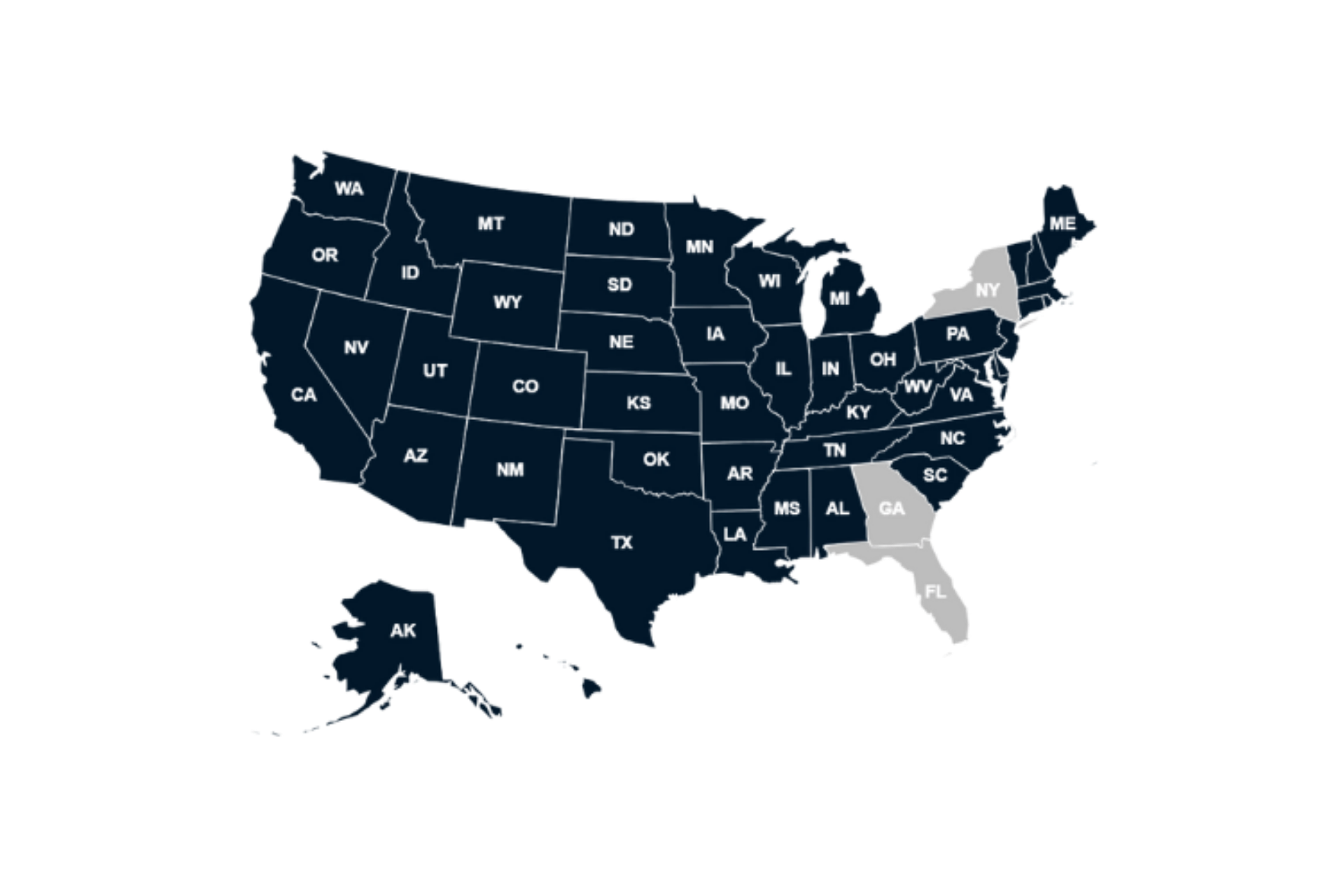
Limits, deductibles, policy forms, class eligibility, and state availability vary by account and market. For full eligibility, use "View state eligibility."
A broker-friendly starting point for the products the program is built to serve, organized by segment. Appetite spans consumer, food and beverage, building and construction, machinery and industrial products, plus importers and distributors.
Eligibility depends on product type, end use, distribution territory, sales volume, quality controls, warnings, contractual risk transfer, prior claims, and regulatory exposure. Near-miss products may be submitted for underwriting review.
Product exposures can arise during design, manufacturing, labeling, distribution, installation, sale, and use, so coverage has to be structured around the insured's actual role in the chain of commerce. Select the structure the account needs, and we'll route the submission to the right products market. Coverage options depend on the account, and terms vary by class and form.
Coverage for covered bodily injury or property damage claims arising from products manufactured, distributed, sold, handled, or imported by the insured — the core of a products liability policy.
Coverage for claims that arise after a product has been sold or work has been completed — the post-sale exposure most product businesses carry.
A products-only option may be available for accounts that do not need broader premises and operations coverage.
Coverage may be written on an occurrence form, generally based on when the covered bodily injury or property damage occurs.
Coverage may be written on a Claims-Made form, with retroactive-date continuity required for ongoing protection.
Coverage may be available for qualifying discontinued products that remain in the marketplace after manufacturing or distribution has ended.
For qualifying accounts, business personal property coverage may be available for contents, inventory, machinery, or stock through a related placement — one package structure offers up to $500,000, with minimum premiums starting around $500. Not universally available.
Additional limits may be available through a separate excess liability placement for qualifying accounts.
Beyond the base coverage, a products policy can often be tailored with endorsements. None are universal, flag what the account needs in the submission and underwriting will confirm what is available on the quoted form.
Enhancements vary by policy form, product class, market, jurisdiction, and underwriting approval. Limited Product Withdrawal Expense is narrower than a dedicated Product Recall policy and is not full recall coverage.
Definition: Products Liability Insurance protects businesses against covered third-party bodily injury or property damage claims arising from products they manufacture, distribute, import, sell, process, or supply.
A product claim arises when something a business made, sold, distributed, or imported allegedly causes harm — an appliance that causes a fire, a defective machine part that damages equipment, a food product that causes illness, a construction material that fails after installation, or an electronic product that overheats. Claims generally fall into three buckets: manufacturing defects (something went wrong in production), design defects (the product was unsafe as designed), and warning or instruction failures (inadequate warnings or instructions led to injury). Products liability responds to covered third-party bodily injury or property damage from these exposures, subject to the policy.
Importantly, a business does not have to manufacture a product to be sued over it. Distributors, importers, wholesalers, and retailers can all be named in the chain of commerce, which is why coverage has to be structured around the insured's actual role. Products liability is closely related to completed operations — products coverage follows the product after it leaves the insured's control, while completed operations follows work after it is finished — and accurate classifications matter to how both are rated. Territory matters too: foreign sales and imported products carry different exposure and require additional underwriting.
Contracts shape the exposure. Vendor agreements, hold-harmless and indemnification language, and supplier certificates can shift risk up or down the chain, and underwriters weigh them heavily. Discontinued products keep creating exposure long after production ends, since a product already in the marketplace can generate a long-tail claim years later. On claims-made placements, retroactive-date continuity is essential — a gap can leave prior products uncovered. And a standard commercial general liability policy may not be enough on its own if the products exposure is excluded or restricted, so brokers should confirm how products and completed operations are treated.
Greenwood's team structures each account around its role in the chain of commerce — products-only or broader CGL, occurrence or claims-made — and can add excess liability for higher limits or business personal property through a related placement for qualifying accounts. Reading the policy is the only way to confirm what a given form covers.

Complete submissions help underwriting understand the product, supply chain, end use, quality controls, contracts, sales territory, and prior claims. Here's what to include so the account routes to the right products liability market the first time. Not every item applies to every class — include what's relevant to the risk.
ACORD 815, ACORD 125, ACORD 126, the products liability supplemental application, the applicable manufacturer, importer, or distributor supplemental, and ACORD 140 if Business Personal Property is requested.
A product list, intended use, end users, component or finished-product status, product brochures, website, labels, warnings, and instructions.
Annual gross sales, sales by product, sales by territory, foreign sales, customer types, distribution channels, online sales, and any private-label products.
Manufacturing process, outsourced manufacturing, supplier controls, inspections, testing, certifications, batch tracking, traceability, and quality-assurance procedures.
Vendor agreements, distributor agreements, hold-harmless agreements, indemnification language, insurance requirements, additional insured requirements, and certificates from suppliers.
Five years of currently valued loss runs where available, with narratives for large claims, product failures, recalls, warranty issues, open claims, and repeated incidents.
For Claims-Made accounts: the prior policy, retroactive date, continuity information, any pending or known claims, and extended reporting provisions.
Requested limits, deductible, occurrence or Claims-Made, products-only or broader CGL, effective date, any discontinued-products exposure, excess limit request, and Business Personal Property request if applicable.
Straight answers to the questions retail agents ask most before placing products liability business.
Products liability insurance protects businesses against covered third-party bodily injury or property damage claims arising from products they manufacture, distribute, import, sell, process, or supply. It responds when a product allegedly causes harm — subject to the policy's terms, limits, and exclusions. Greenwood General places it wholesale for retail agents and brokers serving manufacturers, distributors, importers, and other product businesses.
It generally covers covered third-party bodily injury and property damage claims tied to a product the insured made, sold, distributed, handled, or imported — including manufacturing defects, design defects, and inadequate warnings or instructions. It typically pays covered damages and defense costs, subject to limits and exclusions, and closely relates to completed operations coverage. What actually applies depends on the policy form, class, and market.
Any business in the chain of commerce for a product can face exposure — manufacturers, distributors, importers, processors, wholesalers, private-label sellers, contract manufacturers, and retailers. Contracts and vendor agreements often require it. Because a claim can name every party in the chain, coverage is structured around the insured's actual role.
Yes. A distributor can be named in a product claim even though it did not manufacture the product, because injured parties often sue everyone in the chain of commerce. Distributors should also review vendor and supplier contracts for indemnification and additional insured requirements, but those agreements do not replace the distributor's own products liability coverage.
Generally, yes — and often more so. When products are imported, the foreign manufacturer may be difficult to reach, so the importer frequently becomes the primary target of a product claim. Imported products and foreign sales carry different exposure and require additional underwriting, including review of the products, testing, and any contractual risk transfer.
Products and completed operations coverage responds to claims that arise after a product has been sold or work has been completed. Products coverage follows the product once it leaves the insured's control; completed operations follows finished work. For product businesses, it is the core post-sale exposure, and it is typically written together with, or as part of, products liability.
Yes, a products-only option may be available for accounts that do not need broader premises and operations coverage — for example, some distributors or importers. Whether products-only or a broader commercial general liability structure is the better fit depends on the account and the market, and both are subject to underwriting.
An occurrence form generally responds based on when the covered bodily injury or property damage occurs, regardless of when the claim is reported. A Claims-Made form responds to claims first made during the policy period, subject to a retroactive date and reporting provisions. Products liability may be written either way depending on the market — the two handle claim timing differently, so continuity matters when switching forms.
On Claims-Made coverage, the retroactive date sets how far back covered events are recognized. Maintaining continuity of the retroactive date when renewing or switching carriers is essential, because a gap can leave prior products uncovered even if a claim is reported during the new policy. Brokers should provide the prior retroactive date and continuity information on every Claims-Made submission.
Generally, no. Standard products liability addresses covered third-party bodily injury or property damage — not the cost of recalling or replacing products. Recall costs are addressed by a separate product recall policy. Some products policies offer Limited Product Withdrawal Expense, but that is narrower than dedicated recall coverage.
Limited Product Withdrawal Expense is an endorsement, where available, that may provide a sublimit toward certain expenses of withdrawing a product from the market. It is not full product recall coverage — it is narrower in scope and limit, and a business with meaningful recall exposure typically needs a dedicated product recall policy. Confirm the exact terms and sublimit on the quoted form.
They can. Coverage may be available for qualifying discontinued products that remain in the marketplace after manufacturing or distribution has ended. Because a discontinued product can generate a long-tail claim years later, underwriting reviews the product, the volume still in use, and the loss history. Disclose discontinued products in the submission so the exposure is addressed.
It may, but foreign sales and imported products require additional underwriting. Territory affects both eligibility and pricing, and worldwide coverage may be available as an endorsement depending on the market. Disclose the split between domestic and foreign sales and where products are sold so the account is structured correctly.
For qualifying accounts, business personal property coverage may be available for contents, inventory, machinery, or stock through a related package placement — one structure offers up to $500,000, with minimum premiums starting around $500. It is presented as an optional related solution, not part of the liability coverage, and availability varies by account and market.
Limits are commonly structured at $1 million each occurrence and $2 million aggregate, though the right limits vary by account, contract requirements, and market. Deductibles may range from $0 to $25,000 depending on the risk, and split deductibles may be available. Higher limits through excess liability may be an option for qualifying accounts.
Yes, additional limits may be available through a separate excess liability placement for qualifying accounts. Excess capacity is underwritten on its own and depends on the class, the underlying products coverage, and loss history. Flag the requested total limit in the submission so the tower can be structured.
Underwriting generally wants completed ACORD applications and a products supplemental, a complete product description with intended use and end users, and sales and distribution information — annual sales, sales by product and territory, and foreign sales. Add manufacturing and quality-control detail, vendor and indemnification contracts, five years of currently valued loss runs, any claims-made retroactive date, and the requested limits and deductible. The more complete the file, the faster it quotes.
Products accounts are underwritten to the product and the supply chain, so turnaround depends on the class and the completeness of the file. A complete submission — application and supplemental, product description, sales splits, quality controls, contracts, and loss runs — routes to the right market the first time and quotes fastest. Complex, imported, or higher-hazard products may take additional review. Submit a risk to get started.
Greenwood helps retail agents access products liability markets for manufacturers, distributors, importers, processors, wholesalers, and specialty product businesses.
Limits, deductibles, policy forms, class eligibility, and state availability vary by account and market, and state availability must be confirmed before binding. Confirm eligibility with your underwriter for state-specific requirements or restrictions.