
Core
Building Materials
Protects building materials and supplies on-site awaiting installation against covered causes of loss during construction.
Greenwood General is a wholesale MGA giving retail insurance agents and brokers access to a commercial builders risk program across the United States — course-of-construction coverage for ground-up projects, renovations, and remodels, written on an inland marine form with existing-structure coverage available.
A wholesale builders risk program for commercial construction, written on an inland marine form with total insured values up to $3,000,000. Place ground-up construction, renovations, and remodels — with existing-structure coverage available — on project terms from six to twelve months, with minimum premiums starting around $500 plus taxes and fees. One submission path lets retail agents place course-of-construction risk without shopping multiple wholesalers.
Program parameters at a glance — the framework brokers work within on a builders risk submission.
Rounding out the account? Greenwood General also writes contractors general liability and commercial package coverage for completed buildings — or explore all of our wholesale commercial insurance markets.
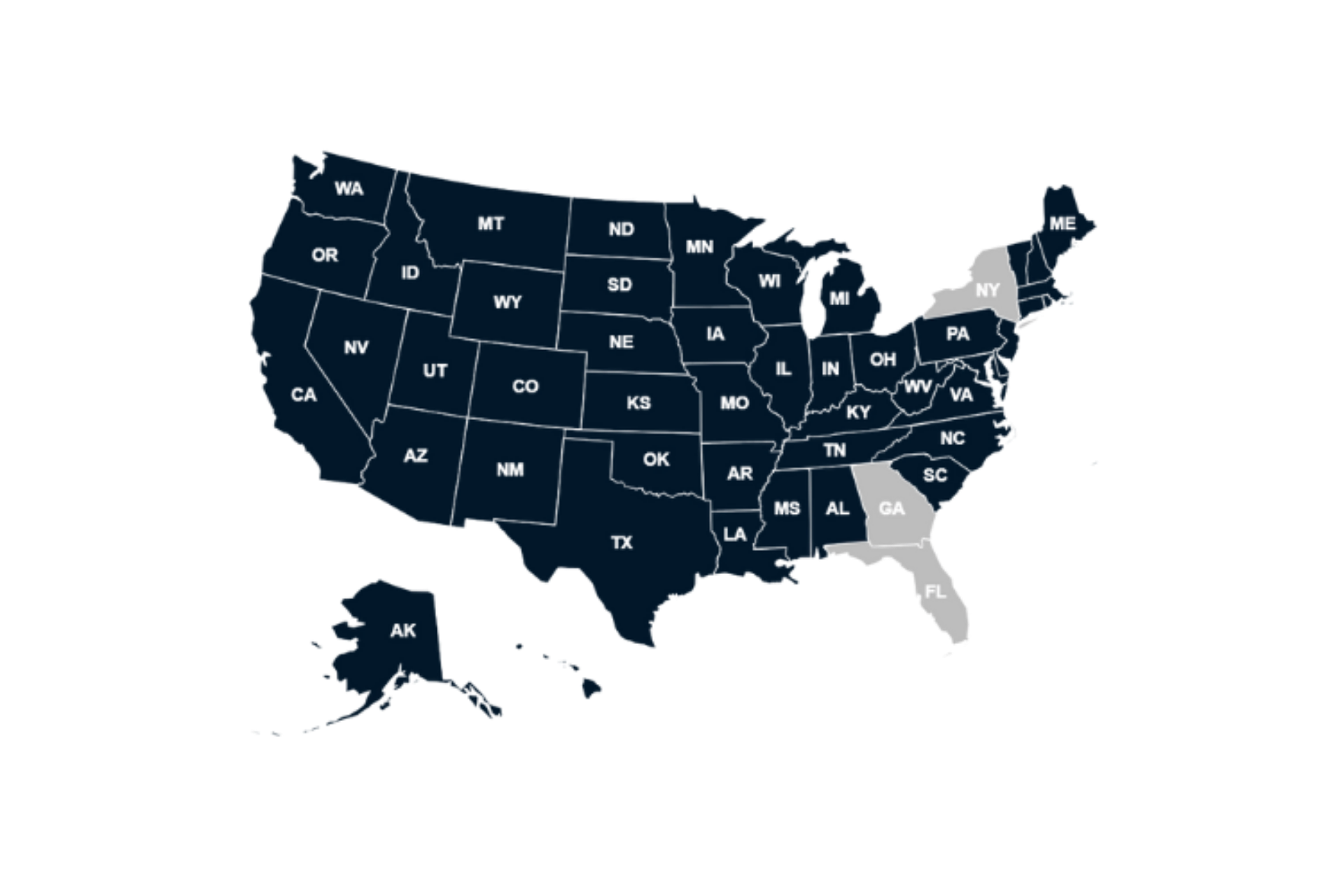
Availability varies by project, state, and underwriting guidelines. For full eligibility, use "View state eligibility."
The core components a builders risk policy addresses during the course of construction, plus the enhancements brokers add most often. Core coverage protects the project and its materials; optional coverages tailor the policy to the exposure. Select what the project needs and we'll route the submission to the right terms.
Protects building materials and supplies on-site awaiting installation against covered causes of loss during construction.
Coverage options for the existing building during renovation and remodel projects, in addition to the new work.
Covers materials and project property while being transported to the jobsite, before installation begins.
Temporary buildings, fencing, scaffolding, and related project property used during the build.
Business income, rental value, and soft costs triggered when a covered loss delays the project's completion.
The cost to remove debris of covered property from the jobsite following a covered loss.
The increased cost to rebuild damaged portions of the project to current building codes after a covered loss.
Optional coverage for the insured's tools and equipment used on the project — added when the account needs it.
Beyond the core course-of-construction coverage, the program offers a range of optional enhancements to tailor the policy to the project. Add the ones the exposure calls for on the submission.
Availability and limits for each enhancement vary by project and form — flag the ones the account needs in the submission and underwriting will confirm terms.
A broker-friendly starting point for the program's appetite. Eligibility varies by project, values, and construction type — submit the account to confirm.
Don't see the project type listed? Submit it — appetite is confirmed per account based on the total insured value, construction type, and scope of work.
Definition: Builders risk insurance — also called course-of-construction insurance — is a specialized property policy that covers a building or structure while it is being built or renovated, along with the materials and fixtures intended to become part of it, against sudden accidental physical loss during construction.
A project under construction is exposed in ways a finished building is not. Materials sit on site awaiting installation, the structure is open to the elements, tools and trades move through daily, and a single event can wipe out months of work. Builders risk protects the project itself and the parties with an insurable interest in it — owner, developer, and contractor — so a covered loss doesn't stop the job or fall on one party's balance sheet.
A standard commercial property policy is built for completed, occupied buildings — it generally will not respond to a structure that is still being built, to materials staged on site, or to property in transit to the jobsite. That course-of-construction gap is exactly what builders risk, written on an inland marine form, is designed to fill. Common builders risk claims include fire, theft, vandalism, wind, hail, and accidental damage during the build.
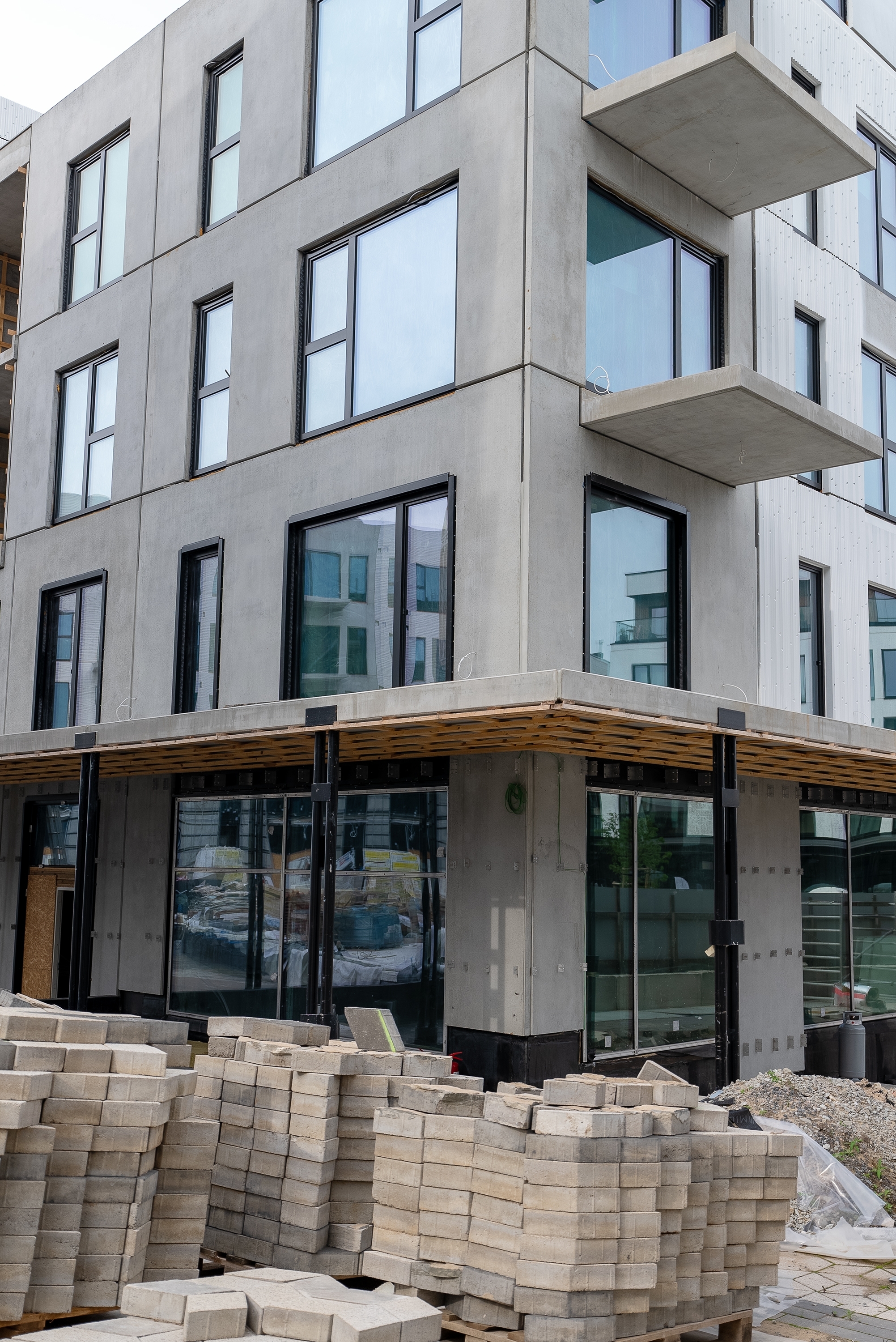
Builders risk accounts are underwritten by project — the completeness of the file drives the speed of the quote. Here's what to include so the submission routes to the right terms the first time.
A completed ACORD 125 with the builders risk supplemental application — the supplemental captures the project detail underwriting needs to rate the course-of-construction exposure.
What is being built: ground-up construction, renovation, or remodel; the occupancy of the finished building; and the scope of work involved.
The total construction budget and the total insured value, so the policy is written to the hard and soft costs actually at risk.
The anticipated start date and the project term (typically 6 to 12 months) — flag any known risk of the schedule running long.
The construction type of the structure and general contractor information, including experience with projects of similar size and scope.
For renovations, the existing structure's values and condition; plus currently valued loss runs where applicable so underwriting has the full picture.
Straight answers to the questions retail agents ask most before placing a builders risk project.
Builders risk — also called course-of-construction insurance — is a specialized property policy that covers a building or structure while it is being built or renovated, along with the materials and fixtures intended to become part of it, against sudden accidental physical loss during construction. Greenwood General places it wholesale on an inland marine form for retail agents and brokers.
It typically covers direct physical loss to the project under construction — the structure, building materials on site awaiting installation, and often property in transit and temporary structures — from covered causes such as fire, wind, hail, theft, vandalism, and accidental damage. Optional enhancements can extend to soft costs, delay in completion, debris removal, and ordinance or law. Exact terms vary by form.
Builders risk generally excludes wear and tear, faulty workmanship or design, mechanical breakdown, and perils such as earthquake or flood unless added by endorsement. The contractor's own tools and mobile equipment are typically not covered unless contractors equipment coverage is added. Exclusions vary by form, so confirm the specifics on each account.
It isn't mandated by law, but lenders, project owners, and construction contracts almost always require it before work begins because it protects each party's insurable interest in the project. Check the contract to see who is required to carry the coverage and for what amount.
Whoever has an insurable interest in the project — most often the general contractor, the property owner, or the developer, depending on what the construction contract specifies. Brokers place the policy for whichever party is designated, frequently naming the other parties as additional insureds.
Yes. The program writes renovation and remodel projects, including interior remodels and tenant improvements, with existing-structure coverage available. Describe the scope of work and the values involved so underwriting can match the right terms to the project.
Existing structure coverage is available during renovation and remodel projects, protecting the building being worked on in addition to the new construction. It is underwritten based on the existing values and the scope of the renovation, so include those details in the submission.
Builders risk is written for the course of construction — typically project terms from six to twelve months under this program — and ends when the project is complete, accepted, or occupied. Extensions may be available if a project runs long, so flag the timeline up front.
Theft of covered building materials and property at the jobsite is generally a covered cause of loss, subject to policy terms and any jobsite security requirements. Theft of the contractor's own tools and equipment is a separate exposure that needs contractors equipment coverage.
Not by default. A builders risk policy covers the project — the structure and materials that become part of it — not the insured's own tools and mobile equipment. Contractors equipment is available as an optional enhancement under the program; add it when the insured needs their equipment covered.
Delay in completion is an optional enhancement that responds when a covered loss pushes back the project's completion date — covering resulting soft costs, business income, and rental value the insured loses because the project finished late. It is added by endorsement when the account needs it.
Builders risk accounts are underwritten individually, so turnaround depends on the project and the completeness of the file. A complete submission — application, project description, budget, timeline, and construction type — routes to the right terms fastest, with many straightforward projects quoted quickly. Submit a risk to get started.
Yes. Many brokers place builders risk alongside the contractor's general liability and, once the project is complete, transition the finished building to a commercial property or package policy — all of which can run through one Greenwood General wholesale relationship.
A wholesale builders risk program designed around commercial construction: an inland marine form, values up to $3,000,000, ground-up, renovation, and remodel projects, and practical guidance from submission to bind. We never compete with the retail agents we serve.
Availability varies by project, construction type, and underwriting guidelines. Confirm eligibility with your underwriter for state-specific requirements or restrictions.