
P&C Industry Tips
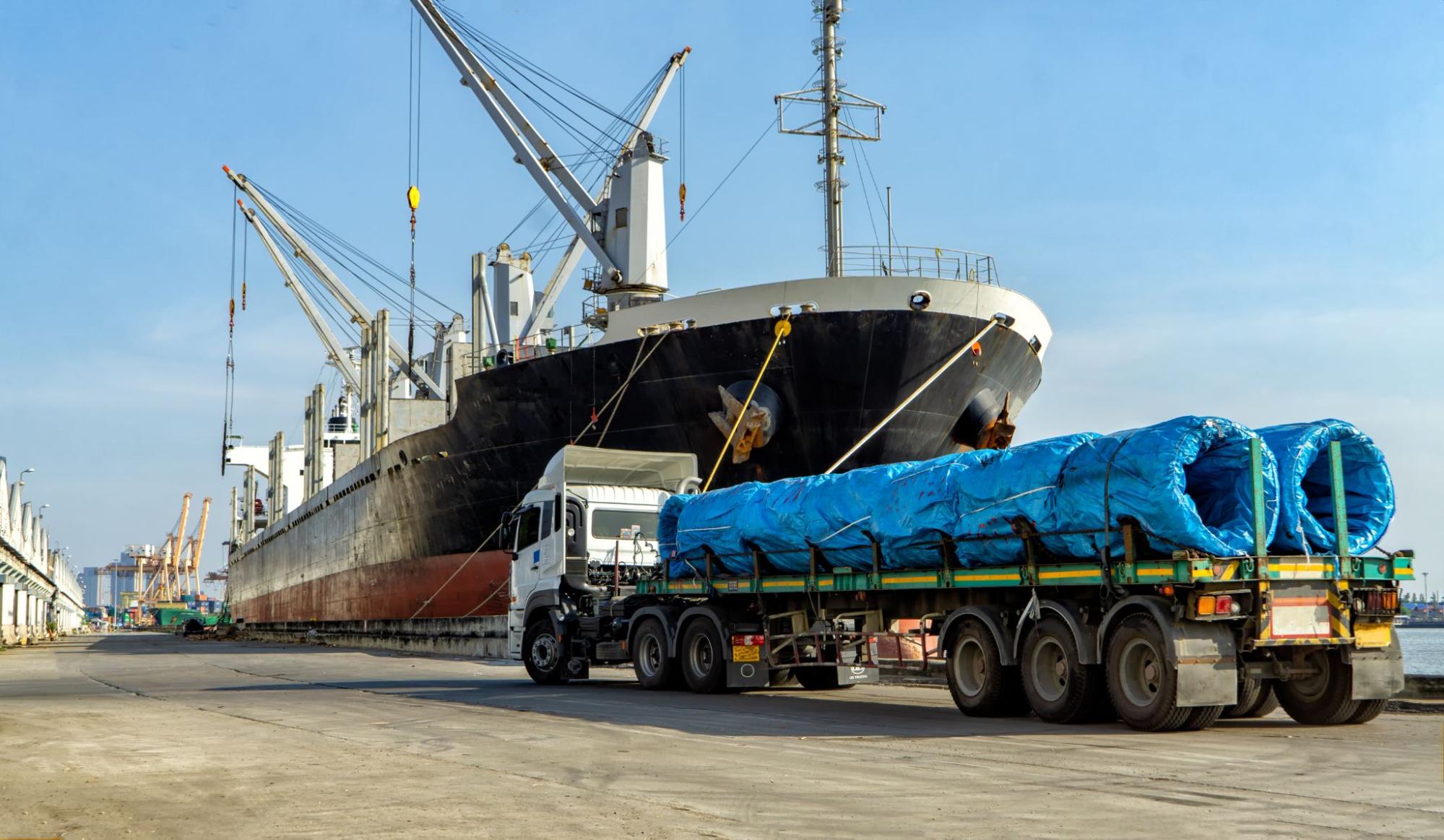
Inland Marine Insurance: A Guide
Running a business often means moving valuable property between locations. Equipment travels to job sites, products move through supply chains, and technology supports operations wherever work happens. Standard commercial property coverage typically focuses on assets at a fixed location, leaving important gaps when property is in transit or temporarily stored elsewhere. Business owners who understand specialized property coverage can make smarter decisions and reduce costly financial setbacks when unexpected losses occur.
Inland Marine Insurance at a Glance
Business property often moves far beyond a single office, warehouse, or job site. Standard commercial property coverage may not fully protect assets once they leave insured premises. Inland marine insurance addresses this gap by covering movable property exposed to risks during transportation or temporary storage. Understanding the basics helps business owners determine whether this coverage fits their operations.
What is Inland Marine Insurance?
Inland marine insurance protects business property that moves between locations or operates away from a primary business address. Coverage commonly applies to tools, equipment, inventory, electronics, and specialized assets. Many policies cover losses involving theft, fire, vandalism, and accidental damage. Protection typically follows the property rather than remaining tied to one location. This flexibility makes the coverage valuable for businesses that rely on mobile assets.
What Types of Property Can Be Covered?
Coverage can extend to a wide range of business property. Contractors often insure tools, machinery, and construction equipment. Technology firms may cover laptops, servers, and mobile devices used outside the office. Manufacturers, wholesalers, and retailers frequently insure inventory while goods travel through the supply chain. Specialized policies can also protect installation materials, fine arts, medical equipment, and other high-value property.
Who Benefits Most From This Coverage?
Businesses with mobile operations often gain the greatest value from inland marine insurance. Construction companies regularly move equipment between project sites. Consultants and technology professionals travel with expensive electronic devices. Distributors and manufacturers ship inventory through multiple locations before delivery. Any business that depends on movable property should evaluate potential coverage needs and exposure risks.
How Inland Marine Insurance Works
Coverage follows insured property wherever qualifying business activities take place. This approach differs from traditional property policies, which focus on a single location. Business owners gain broader protection for assets exposed to transportation and off-site risks. Understanding how coverage functions helps organizations select appropriate policy terms and limits.
Coverage Based on Property Movement
The primary purpose of inland marine insurance is to protect property while in transit or temporarily stored elsewhere. Coverage may apply during transportation, at customer locations, or at project sites. Many policies protect assets from theft, vandalism, fire, and accidental damage. Specific terms vary among insurers and policy forms. Reviewing policy language helps businesses understand covered situations and exclusions.
Scheduled and Blanket Coverage Options
Some policies insure specific items listed individually on the policy. This approach works well for high-value equipment with known replacement costs. Other policies provide blanket coverage for groups of similar property. Blanket coverage often simplifies administration for businesses managing large inventories or multiple assets. Choosing the right structure depends on property values and operational needs.
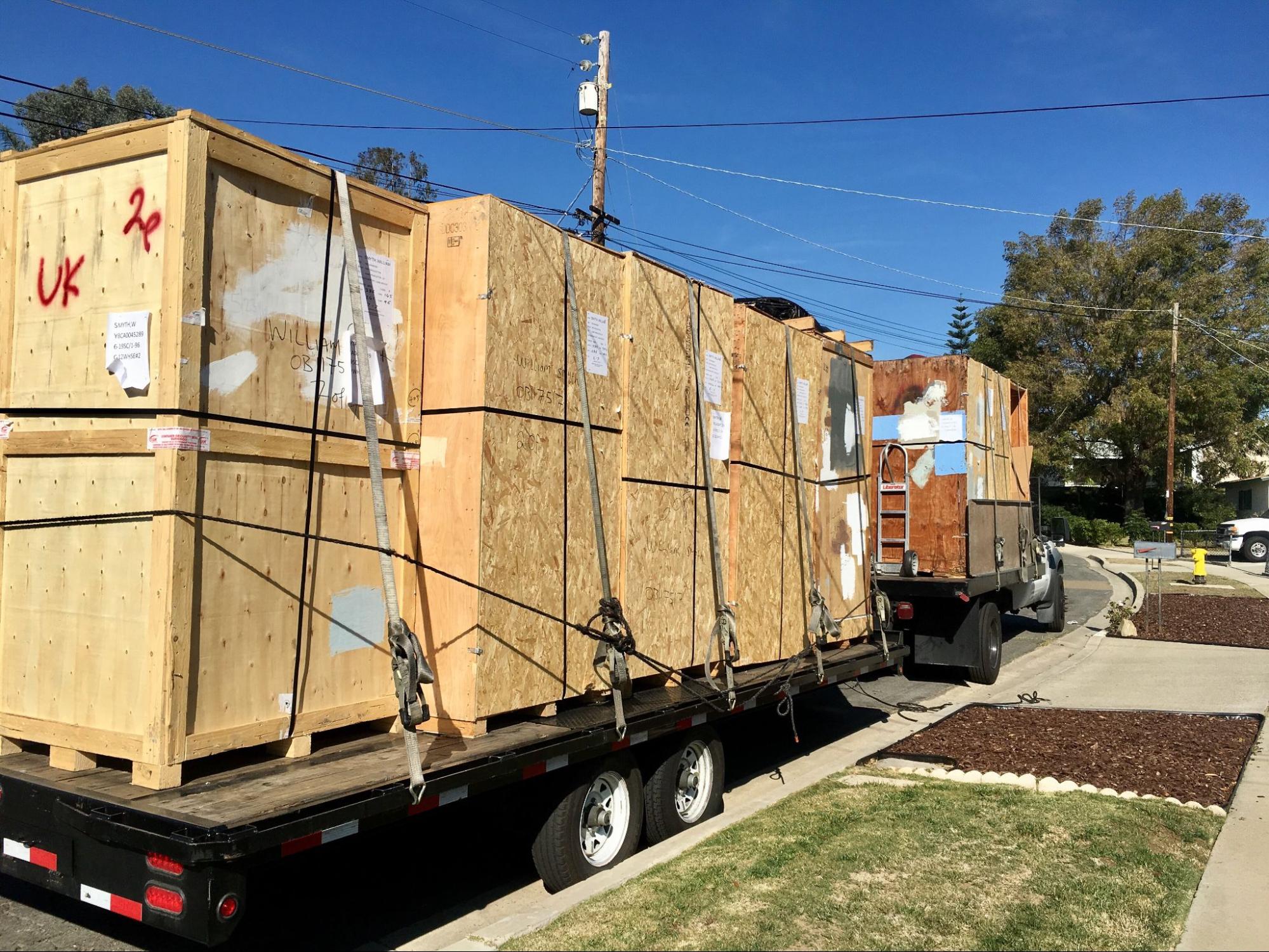
Assets Protected by Inland Marine Insurance
Businesses across many industries use inland marine coverage because movable property is present in almost every sector. Different policy forms address different categories of equipment, inventory, and specialized assets. Coverage can often be tailored to match unique business operations. Understanding common property categories helps owners identify potential exposure areas.
Contractor Equipment and Tools
Construction companies frequently transport equipment between job sites. Tools, generators, compressors, and heavy machinery are at risk of theft and damage during transportation and storage. Replacing specialized equipment can require substantial investment. Inland marine policies often cover these items wherever business operations take place. This flexibility helps contractors avoid disruptions caused by equipment losses.
Computers and Electronic Equipment
Modern businesses rely heavily on laptops, tablets, servers, and mobile technology. Employees often carry devices between offices, client meetings, and remote work locations. Standard property insurance may not provide sufficient protection once equipment leaves company premises. Inland marine coverage can address these exposures. This protection becomes increasingly important as workforces become more mobile.
Inventory and Goods in Transit
Manufacturers, wholesalers, and retailers regularly move products through distribution networks. Inventory may face risks during transportation, loading, unloading, or temporary storage. A damaged shipment can affect revenue and customer relationships. Inland marine insurance helps reduce financial losses associated with these events. Coverage supports smoother supply chain operations during unexpected situations.
Inland Marine Insurance Coverage Highlights
Insurance policies differ significantly in scope and structure. Understanding common coverage features helps business owners evaluate policy options more effectively. Strong coverage aligns with operational risks rather than generic assumptions. Careful review can prevent surprises during the claims process.
Protection Against Multiple Risks
Many inland marine policies cover a broad range of physical loss causes. Coverage often includes theft, fire, vandalism, and accidental damage. Some policies also protect property during loading and unloading activities. Broader protection reduces the chance of uncovered losses. Reviewing policy exclusions remains important before purchasing coverage.
Replacement Cost Options
Property values change over time due to inflation and equipment upgrades. Some policies provide replacement cost coverage rather than actual cash value settlements. Replacement cost coverage generally pays the amount needed to replace damaged property with similar items. This approach can reduce out-of-pocket expenses after a loss. Business owners should carefully compare valuation methods.
Flexible Coverage Territories
Many businesses operate beyond a single city or region. Inland marine policies often provide broader geographic coverage than standard property insurance. This flexibility supports companies working across multiple locations. Coverage terms vary according to insurer guidelines and business activities. Understanding territorial limits helps avoid coverage gaps during travel and transportation.
What Inland Marine Insurance Does Not Cover
No insurance policy covers every possible situation. Inland marine insurance includes exclusions and limitations that define coverage boundaries. Business owners should understand these provisions before relying on policy protection. Knowledge of exclusions supports more informed risk management decisions.
Wear and Tear
Insurance generally covers sudden and accidental losses rather than gradual deterioration. Equipment naturally wears down with normal use. Mechanical breakdowns may also fall outside standard coverage provisions. Businesses remain responsible for maintenance and preventive care. Regular inspections help reduce avoidable losses.
Employee Dishonesty and Fraud
Many inland marine policies exclude losses involving employee theft or fraudulent acts. Separate crime insurance policies often address these risks. Businesses handling valuable inventory or equipment should evaluate additional protection. Internal controls also help reduce exposure to dishonest activities. A layered risk management approach often provides stronger protection.
Uninsured High-Risk Situations
Certain extraordinary events may require specialized endorsements or separate policies. Coverage limitations can vary significantly among insurers. Businesses with unusual operations should discuss exposures with insurance professionals. Customized policy enhancements may address unique concerns. Careful planning helps avoid costly coverage gaps.

Examples of Inland Marine Insurance Claims
Business owners often understand coverage better through real-world situations. Claims examples show how losses can occur during normal operations. They also highlight why movable property requires protection beyond standard location-based policies. These scenarios demonstrate how inland marine coverage can address common business risks.
Stolen Contractor Equipment From a Job Site
A construction company leaves equipment at a project site overnight. The next morning, workers discover several generators and power tools missing. Replacing the stolen equipment would create an unexpected financial burden and delay project timelines. An inland marine policy may help cover the replacement cost of the stolen items, depending on policy terms. This coverage allows the contractor to resume operations more quickly and reduce the impact of the loss.
Damaged Inventory During Transportation
A distributor ships products to customers across multiple locations each week. During transit, a vehicle accident damages a large portion of the shipment. The damaged inventory cannot be sold, resulting in a direct financial loss. Inland marine insurance may help cover the value of damaged goods in transit. This protection helps businesses recover from losses without bearing the full replacement cost.
Lost Laptops During Business Travel
A consulting firm sends employees to a client location for a major project. During the trip, several company laptops were misplaced or stolen. The devices contain specialized software and important business information. Inland marine coverage may help pay for replacement equipment when the loss falls within policy conditions. The business can replace critical technology faster and continue serving clients without prolonged disruption.
Fire Damage to Equipment at a Temporary Work Location
A business stores equipment at a temporary location while a project is underway. A fire breaks out, damaging several expensive pieces of machinery. Standard commercial property insurance may not fully cover losses that occur away from the insured premises. Inland marine insurance may provide coverage for qualifying equipment at temporary locations. This support helps businesses recover valuable assets and maintain project schedules.
Installation Materials Damaged Before Project Completion
A contractor delivers materials to a project site before installation begins. Severe weather damages the materials before they become part of the completed structure. Replacing those materials can increase project costs and affect profitability. Certain inland marine policies, including installation floaters, may cover these losses. Coverage helps contractors manage unexpected setbacks and keep projects moving forward.
Choosing the Right Inland Marine Policy
Selecting appropriate coverage requires more than comparing premiums. Business owners should evaluate asset values, operational patterns, and potential loss scenarios. A thoughtful assessment often leads to more effective protection. Coverage decisions should support both current and future business activities.
Identify Mobile and High-Value Assets
Begin by reviewing property that regularly leaves the company premises. Equipment, inventory, technology, and specialized tools deserve careful consideration. Determine replacement values and operational importance for each asset category. This process helps establish appropriate coverage limits. Accurate valuations support stronger protection decisions.
Review Transportation and Storage Risks
Different businesses face different movement-related exposures. Some assets travel daily while others move occasionally. Temporary storage locations can create additional vulnerabilities. Understanding transportation patterns helps align policy coverage with actual risks. Strong risk assessments support better insurance planning.
Work With Experienced Insurance Professionals
Insurance professionals can help evaluate exposures and policy options. They understand how different forms address various business activities. Their guidance may reveal coverage gaps that owners overlook. Regular policy reviews help maintain appropriate protection as operations evolve. Professional advice often improves long-term risk management outcomes.
Reduce Costly Gaps With Inland Marine Insurance
Business property does not cease to face risks once it leaves a warehouse, office, or job site. As equipment, inventory, and technology move between locations, coverage gaps can expose your business to unexpected financial losses. Reviewing inland marine insurance before a claim occurs can help identify vulnerabilities that standard property policies may overlook. A well-planned coverage strategy helps protect valuable assets and supports business continuity as your operations evolve.
The strongest coverage strategies begin before a claim happens. Discover more business insurance insights on the Greenwood General Insurance Agency blog and stay informed about evolving risks.