
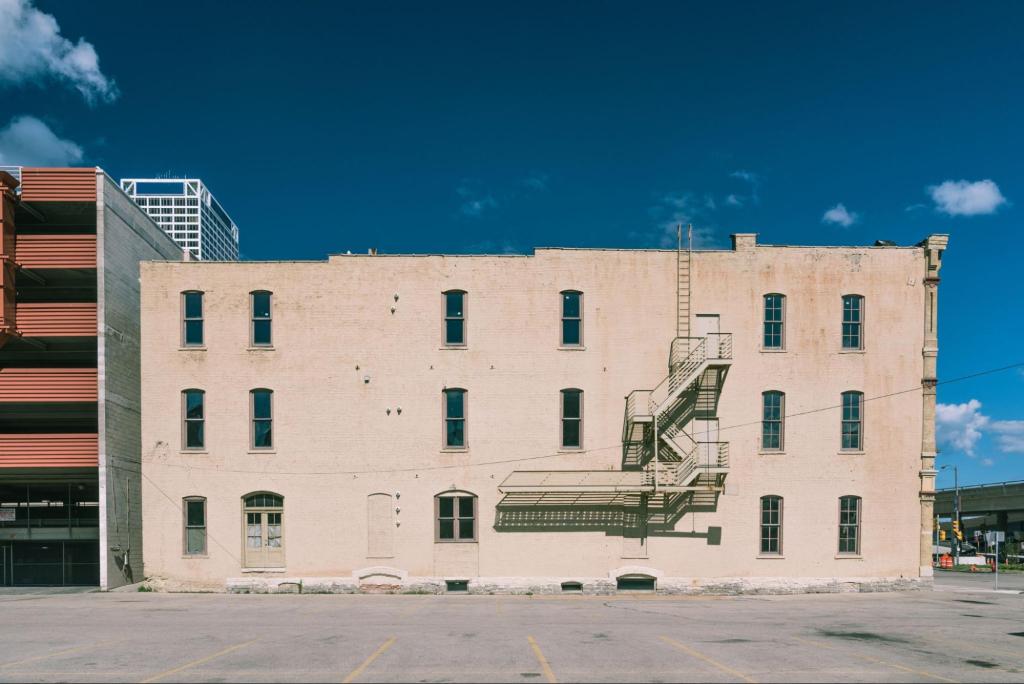
An empty building can create financial problems even when nobody uses the property. Fires, water damage, theft, and vandalism can occur without anyone noticing the warning signs. Many property owners assume their existing insurance will cover these incidents during extended vacancies. However, standard policies often restrict coverage once a building remains unoccupied beyond a specified period. Vacant building insurance helps owners protect their investment while preparing the property for its next use.
Understanding Vacant Property Insurance
Vacant property insurance protects buildings that remain empty for extended periods. Unlike standard property insurance, specialized coverage addresses risks associated with limited occupancy and reduced supervision. Property owners can purchase coverage for residential, commercial, and other eligible structures awaiting future use. Understanding how these policies work helps owners avoid unexpected expenses and potentially costly coverage gaps.
What Does Vacant Building Insurance Cover?
Vacant building insurance protects eligible properties against covered losses during periods of vacancy. Depending on the policy, protection may include fire, lightning, windstorms, vandalism, and certain accidental damage. Some insurers also cover theft, liability claims, and additional property-related expenses. However, coverage varies significantly by provider, especially for water damage and malicious property destruction. Owners should review policy limits, exclusions, and deductibles before selecting an insurance plan. A suitable policy reflects the building’s condition, location, and expected vacancy period.
When is a Building Considered Vacant?
Insurance companies generally consider buildings vacant when they lack occupants and sufficient personal property. However, each insurer establishes its own definition and requirements for determining vacancy status. Some standard policies restrict certain coverage after 30 or 60 consecutive days of vacancy. Others apply different conditions based on property type and the insurance contract. An unoccupied building may still contain furniture, equipment, or other belongings, which can change its insurance classification. Owners should confirm their property’s status with their insurer before leaving it empty.
Who Needs Insurance for Empty Buildings?
Homeowners may need specialized coverage when moving before selling their previous residence. Landlords can also benefit when rental properties remain empty between tenants or during renovations. Commercial property owners face similar concerns when offices, warehouses, or retail spaces become vacant. Investors holding properties for future development may need protection throughout the ownership period. Executors managing inherited buildings should also consider insurance while settling estates or preparing properties for sale. The right coverage depends on the property’s circumstances, not ownership type alone.
Why Vacant Building Insurance is Beneficial
Leaving a building unoccupied creates risks that standard property insurance may not fully address. Unexpected damage, liability claims, and costly repairs can quickly affect an owner’s finances. Specialized coverage helps manage these concerns while the property awaits its next use. Understanding its benefits can help owners make informed decisions about protecting their investment.
Financial Protection From Unexpected Damage
Vacant buildings face several risks that can lead to substantial repair costs without adequate insurance. Limited activity lets minor problems develop before anyone discovers the damage. Insurance coverage can reduce the financial burden of covered incidents during these vulnerable periods. Property owners benefit from understanding how specialized protection addresses different types of damage.
Protection Against Fire and Smoke Damage
Fire can cause extensive damage to vacant buildings, especially when electrical systems remain connected. Faulty wiring, lightning strikes, and other hazards can ignite fires without occupants nearby. Delayed discovery can let flames and smoke spread throughout the property. A suitable vacant property policy may cover eligible structural repairs following a covered fire. Some policies also cover related expenses, such as debris removal, up to specified limits. Owners should verify coverage conditions and maintain appropriate fire prevention measures during vacancy.
Coverage for Vandalism and Malicious Damage
Empty properties sometimes attract trespassers who damage doors, windows, walls, or other building components. Vandals may also destroy fixtures, damage plumbing, or leave the property in need of extensive repairs. These incidents can delay future occupancy and increase restoration costs. Specialized insurance may cover vandalism if the policy specifically includes it. Coverage can help owners address eligible repairs without absorbing the entire financial burden. However, insurers may require locked entrances, regular inspections, and reasonable property security measures.
Protection From Severe Weather Events
Vacant buildings remain exposed to storms, strong winds, hail, and other weather-related hazards. Roof damage can allow rainwater inside, affecting ceilings, insulation, flooring, and electrical components. Without regular inspections, weather damage can worsen before anyone discovers it. Vacant building coverage may provide financial assistance for eligible storm-related structural damage. However, flood and earthquake protection often require separate policies or additional coverage. Owners should assess local weather risks and confirm which events their policies cover.
Reduced Liability Risks During Vacancy
Property owners can face liability claims even when their buildings are unoccupied. Visitors, contractors, and others may be injured while entering or approaching the premises. An injury can create legal expenses and potential financial responsibility for the property owner. Appropriate liability protection helps address covered claims arising from qualifying incidents.
Financial Protection Against Injury Claims
Vacant properties may contain uneven walkways, damaged stairs, loose railings, or other physical hazards. These conditions can injure authorized visitors, maintenance workers, or prospective buyers. Depending on the circumstances, injured individuals may pursue compensation from the property owner. Premises liability coverage can help pay eligible legal defense costs and covered settlements. However, liability insurance is not automatically included in every vacant building policy. Owners should confirm its availability, coverage limits, and exclusions before purchasing protection.
Coverage for Accidental Damage to Others
Problems originating inside an empty building can sometimes affect neighboring properties. For example, a structural failure might damage an adjoining building or nearby personal property. Falling materials may also create hazards for people using adjacent sidewalks or shared spaces. Some liability policies may cover qualifying third-party property damage when the owner is legally responsible. The insurer evaluates each claim based on the policy terms and the circumstances. Regular maintenance remains important because insurance cannot replace responsible property management.
Better Protection of Long-Term Property Value
An empty building remains a valuable asset that needs ongoing attention and protection. Unexpected damage can reduce its market appeal and create obstacles during future transactions. Insurance helps owners manage covered repair expenses while maintaining their broader financial plans. Combining suitable coverage with preventive maintenance supports the property’s long-term condition and usefulness.
Preserving a Property’s Resale Potential
Buyers often consider a building’s condition before making an offer or completing a purchase. Visible damage can discourage interest and lead to requests for substantial price reductions. Serious problems may also delay inspections, financing approvals, and other steps toward closing. Insurance can help fund covered repairs that restore damaged areas before a planned sale. Prompt restoration can prevent further deterioration and support a smoother transaction. Accurate inspection and repair records can also demonstrate responsible property ownership.
Supporting Future Rental Opportunities
Rental properties sometimes remain vacant while owners search for tenants or complete improvements. Unexpected damage during these periods can interrupt marketing efforts and delay planned move-in dates. Repair expenses may also reduce funds available to prepare for the next tenancy. Vacant property coverage can help address eligible losses before the building returns to service. However, owners should not assume vacancy covers ordinary rental income losses. Any protection for lost rental income depends on specific policy provisions and qualifying circumstances.
Managing Costs During Property Renovations
Renovations can leave buildings empty while contractors replace systems or complete structural improvements. Construction activities may introduce risks that differ from those associated with ordinary vacancy. Property owners should disclose planned work because insurers may restrict or exclude certain renovation activities. Some projects require builders risk insurance or other specialized coverage instead of standard vacant property protection. Choosing the right insurance helps cover losses without creating misunderstandings about construction-related exposures. Owners should coordinate coverage with contractors and insurers before renovation work begins.
Greater Flexibility for Property Owners
Property ownership rarely follows a fixed schedule, particularly during sales, renovations, and tenant transitions. Buildings may remain empty longer than expected because of market conditions or unforeseen delays. Specialized insurance can accommodate certain vacancy periods without relying entirely on conventional occupancy-based policies. Understanding available policy arrangements helps owners choose protection that matches their circumstances.
Short-Term Coverage for Temporary Vacancy
Some buildings remain vacant for only a few months before returning to regular use. Owners may prefer coverage designed around a temporary vacancy rather than a full annual commitment. Certain insurers offer short-term policies or flexible arrangements for qualifying properties. Available terms depend on the provider, the property’s condition, and the expected vacancy duration. Owners should compare premiums, cancellation provisions, and coverage restrictions before selecting a policy. They should also confirm how coverage changes when occupants return or ownership transfers.
Insurance for Extended Vacancy Periods
Some properties remain empty for extended periods because of estate settlements or redevelopment plans. Others face prolonged vacancies when owners cannot immediately find suitable buyers or tenants. Standard property insurance may not provide sufficient protection under these circumstances. Specialized policies can address longer vacancy periods when insurers accept the property’s risk profile. Insurers may require additional inspections, maintenance records, or security precautions for extended coverage. Owners should review renewal conditions before assuming protection will continue without interruption.
Fewer Unexpected Property Ownership Expenses
Vacant properties continue generating expenses even without rental income or daily business activity. Taxes, utilities, maintenance, and security costs can strain an owner’s budget. An uninsured loss can create additional expenses and disrupt the property’s financial plans. Appropriate insurance helps manage certain unexpected costs while owners maintain control over ongoing obligations.
Avoiding Large Out-Of-Pocket Repair Bills
Major property damage can require expensive repairs before a building becomes usable again. Replacing roofing materials, repairing fire damage, or restoring vandalized interiors can be costly. Without applicable insurance, owners generally must finance these repairs out of pocket. Coverage can reduce eligible out-of-pocket expenses after deductibles and other policy conditions apply. However, policy limits may not cover every expense associated with a covered incident. Owners should choose limits based on realistic rebuilding costs rather than estimated market value alone.
Reducing Financial Uncertainty
Vacancy periods often coincide with major financial decisions, such as property sales or future investments. Unexpected repair bills can interfere with these plans and reduce available cash reserves. Insurance provides a clear framework for handling covered losses, rather than leaving every expense unpredictable. Owners can review premiums, deductibles, and limits when planning their property-related budgets. Although coverage cannot eliminate financial uncertainty, it can reduce exposure to specific insured events. Clear policy terms also help owners understand which expenses remain their responsibility.
Improved Building Security and Property Oversight
Insurance works best when property owners actively manage the risks associated with empty buildings. Insurers may require precautions that reduce the likelihood or severity of certain losses. These measures also help owners spot problems early, before they become expensive repairs. Combining coverage with consistent oversight creates a more practical approach to protecting vacant property.
Encouraging Regular Property Inspections
Routine inspections help owners spot leaks, broken windows, damaged locks, and other emerging issues. Early detection lets maintenance teams address problems before they cause additional damage. Some insurance policies require inspections at specified intervals throughout the vacancy period. Owners may also need written records showing when inspections occurred and what inspectors discovered. Following these requirements can help avoid disputes over compliance with policy conditions. Inspection schedules should reflect the building’s condition, seasonal risks, and insurer requirements.
Supporting Better Building Security
Securing vacant buildings reduces opportunities for unauthorized entry, vandalism, and property theft. Strong locks, functioning alarms, and appropriate lighting can discourage unwanted activity around the premises. Owners may also consider monitored security systems when the property’s exposure justifies the expense. Some insurers require specific security measures before offering certain coverage. Meeting these conditions can improve risk management, though premium discounts aren’t always available. Security arrangements should remain practical, documented, and consistent with the policy’s requirements.
Protect Your Investment With Vacant Building Insurance
An empty property should never leave your financial future exposed to unnecessary risks. Unexpected damage can happen at any time, and waiting until trouble strikes can prove costly. Review your existing policy, identify potential coverage gaps, and explore protection suited to your property’s needs. The right insurance decision today can prevent a temporary vacancy from becoming a lasting financial setback.
Understanding your insurance options can help you make smarter decisions. Explore the Greenwood General Insurance Agency blog for expert insights and useful information about protecting what matters most.