

License
Contractor License Bond
The core licensing bond that guarantees a contractor operates within the law. Ideal for: any contractor a state or local board requires to be bonded to hold a license.
Get an instant quote for contractor license bonds, permit bonds, and California CSLB bonds. CSLB and standard license and permit bonds are available for instant quoting on G-Tec, with same-day issuance, electronic filing, and competitive credit-based pricing across multiple surety markets.
A fast, digital surety workflow for contractor license and permit bonds, built to help brokers move quickly when an insured needs proof of bonding to keep a job or license on track. Most standard accounts qualify on credit and quote right on the rater.

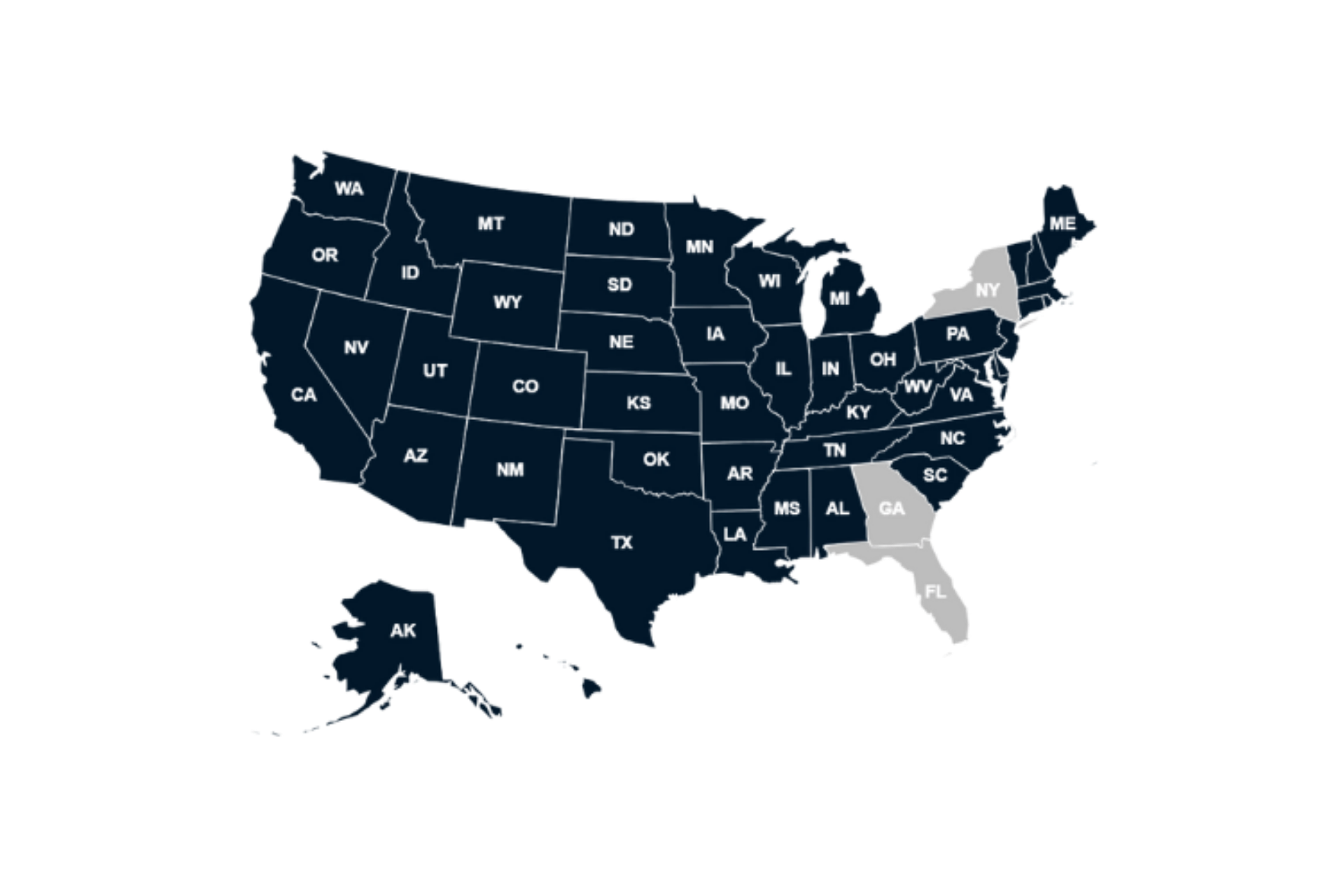
Availability varies by bond type and underwriting guidelines. Use "View state eligibility" for the current list.
A broad menu of contractor license and permit bonds across eligible states, with California CSLB bonds at the center. Most standard bonds quote on the rater and issue the same day. Select the bond the account needs and we'll route it to the right surety market.
The core licensing bond that guarantees a contractor operates within the law. Ideal for: any contractor a state or local board requires to be bonded to hold a license.
License bonds for general building and general engineering contractors. Ideal for: GCs who pull permits and oversee multi-trade projects and need proof of bonding.
Licensing bonds for electrical contractors and specialty electricians. Ideal for: C-10 and equivalent electrical licenses that require a bond to activate or renew.
License bonds for plumbing contractors. Ideal for: C-36 and equivalent plumbing licenses that carry a bonding requirement in their state.
Licensing bonds for heating, ventilation, and air-conditioning contractors. Ideal for: C-20 and equivalent HVAC/mechanical licenses that must be bonded.
Bonds for the many specialty trades: concrete, landscaping, painting, flooring, and more. Ideal for: C-classification specialty contractors that need a license bond.
Project- and permit-specific bonds, often for work in the public right-of-way. Ideal for: contractors a city or county requires to bond a permit before work begins.
Definition: A contractors license surety bond is a three-party guarantee that a licensed contractor will follow the laws and regulations governing their license. If the contractor breaks those rules and causes harm, the bond gives injured consumers or the licensing authority a way to recover damages up to the bond amount, while the contractor remains responsible for repaying the surety.
Unlike liability insurance, a license bond doesn't protect the contractor. It protects the public and the government agency that issues the license. That distinction is the single most important thing for a broker to explain to a contractor client, because it shapes everything from why the bond is required to how a claim is handled.
Who requires it, and why. Most states, and many counties and cities, require a license or permit bond before a contractor can be licensed or pull permits. States mandate these bonds as a consumer-protection measure: licensing boards can't supervise every job, so the bond creates a financial backstop that holds contractors accountable for shoddy work, abandoned projects, unpaid subcontractors, or code violations. In California, the Contractors State License Board (CSLB) requires a contractor license bond for every active license, which is why the CSLB bond is the most-requested license bond in the country.
Surety bond vs. insurance. Insurance is a two-party contract that pays the policyholder for their own covered losses, and the premium is priced to expect some claims. A surety bond is a three-party contract built on the expectation of zero losses, so the surety is effectively extending credit and vouching for the contractor. When a bond claim is paid, the contractor must reimburse the surety in full. That's why surety underwriting focuses heavily on credit and track record, and why most contractors carry both a license bond and separate general liability insurance: the two cover completely different exposures.


California is where contractor bond demand is concentrated, and it's the core of this program. The Contractors State License Board (CSLB) licenses and regulates roughly 290,000 contractors statewide, and it requires a contractor license bond for every active license. If your client holds or is applying for a California contractor's license, they need a CSLB bond on file before the license goes active.
New licenses, classifications, and reactivations. Whether your client is a first-time applicant, adding a classification, or bringing a dormant license back, the bond requirement is the same $25,000, and the same fast path applies. Quote it on the rater, bind it, and file it electronically with the CSLB.
Electronic filing, fast approvals, competitive pricing. The CSLB accepts electronic bond filing, so an issued bond can be transmitted digitally instead of mailed, shortening the wait before the license updates. Standard CSLB bonds approve and issue the same day, and pricing starts at $150 per year for well-qualified applicants, with every account quoted individually on credit. Need to round out the account? Greenwood General also places contractors general liability and other wholesale commercial insurance markets for California contractors.
Bond amounts are set by the CSLB and can change by regulation. Confirm current requirements at the time of binding.
Standard license bonds need very little to quote, most of it collected right in the online rater. Complete files move fastest and often qualify for same-day issuance and electronic filing. Here's the checklist.
Legal business name, entity structure (sole proprietor, LLC, corporation), address, and years in business.
The state, the license number if issued, and the classification (e.g., California C-10 electrical or B general building) so we match the correct bond form and obligee.
Owner names and authorization for a soft credit check, the primary basis for eligibility and pricing on license bonds.
The required bond (contractor license, permit, or CSLB) and the penal sum the obligee mandates (for example, $25,000 for a California CSLB bond).
If replacing or renewing, the current surety, bond number, and effective dates, plus any prior claims history that affects underwriting.
When the bond needs to be effective, especially for new licenses, reactivations, and renewals that must stay continuous to avoid a license lapse.
Greenwood General is a wholesale MGA that works exclusively with retail insurance agents and brokers, and we never compete with you for the client. On surety, that means a fast rater, multiple markets, and underwriters who know contractor bonds.
Quote eligible license and permit bonds in about two minutes and move straight to issuance.
Access to several surety carriers means more accounts fit and pricing stays competitive.
Bonds filed electronically with obligees like the CSLB, so licenses and permits update faster.
Same-day issuance on standard license and permit bonds when the file is complete.
CSLB bonds from $150/year for strong credit, with every account quoted on its own merits.
Multiple markets let us consider a broad range of credit profiles, priced to the risk.
Surety underwriters who know contractor bonds and help you place the tougher files.
We serve retail agents and never compete with you, so your client relationship stays yours.
A license bond is often just one piece of a contractor's program. Greenwood General places the rest through the same wholesale relationship. Pair the bond with contractors general liability, a commercial package for property and inland marine exposures, or environmental liability for pollution risk. Builders risk, commercial property, excess liability, and BOP options are available across our commercial insurance markets.
Straight answers to the questions retail agents ask most before placing contractor license and permit bonds.
A contractors license surety bond is a three-party agreement guaranteeing that a licensed contractor will operate according to the laws and regulations that govern their license. If the contractor violates those obligations, the bond gives harmed parties, often consumers or a government agency, a way to recover damages up to the bond amount. It is a licensing and consumer-protection tool, not property or liability insurance for the contractor.
Most states and many cities require a license or permit bond before a contractor can be licensed or pull permits. In California, for example, the Contractors State License Board (CSLB) requires a contractor license bond for active licenses. The specific requirement depends on the state, the license classification, and sometimes the local jurisdiction, so the obligee named on the bond varies by account.
No. Insurance protects the policyholder against their own covered losses. A surety bond protects a third party, the obligee and the public, against the contractor's failure to meet their obligations. If the surety pays a valid bond claim, the contractor (the principal) is required to reimburse the surety. In practice a contractor typically carries both a license bond and separate liability insurance, because they do different jobs.
Every surety bond has three parties. The principal is the contractor who purchases the bond and promises to perform. The obligee is the party requiring the bond, usually a state licensing board or local agency, and is protected by it. The surety is the company that issues the bond and stands behind the guarantee. The premium the contractor pays is essentially the cost of that guarantee based on credit and risk.
California's contractor license bond amount is set by the Contractors State License Board and has been $25,000 for active licenses since January 1, 2023. That figure is the bond's penal sum, the maximum a claimant could recover, not the premium the contractor pays. Because bond amounts can change by regulation, confirm the current CSLB requirement when you quote. Related CSLB bonds, such as the Bond of Qualifying Individual and the LLC employee/worker bond, carry their own amounts set by the board.
Premium is credit-based. Through this program, a one-year California CSLB bond starts at $150 for well-qualified applicants. Contractors with average or challenged credit pay more, and the surety quotes each account individually based on the credit profile, bond amount, and state. Because the premium is a small percentage of the bond's penal sum, a strong file usually produces the most competitive rate.
Many standard license and permit bonds, including the CSLB bond, can be quoted through the online rater and issued the same day. Turnaround depends on the bond type, the state, and how complete the submission is; larger amounts or credit-challenged accounts may need a short underwriting review before terms are confirmed.
Yes. Brokers can access an online surety rater for eligible license and permit bonds, get terms in about two minutes, and move straight to issuance. Instant approval applies to standard bond types within appetite; accounts outside those parameters route to a surety underwriter for individual review.
Often, yes. Because the program accesses multiple surety markets, it can consider a wide range of credit profiles, with premium adjusted for the risk. Certain conditions are outside appetite for this program: open bond payouts, bankruptcies and tax liens, revoked licenses, and non-resident or non-citizen applicants. When credit is a concern, submit the account and underwriting will confirm the best available option.
Bankruptcies and tax liens are currently outside this program's eligibility, along with open bond payouts and revoked licenses. If those conditions have been resolved, or the account has other offsetting strengths, ask underwriting before assuming it can't be placed. Options can vary by market and by how recent the event is.
Indemnity and any co-signer requirement depend on the bond type, the amount, and the applicant's credit. Standard license bonds are typically written on the contractor's own indemnity; larger or credit-challenged accounts may call for additional indemnitors. Confirm the exact requirement with underwriting on the specific account.
A lapsed license bond can put the contractor's license into an inactive or suspended status with the licensing board, which usually stops them from working legally until the bond is reinstated. License bonds are continuous or renewable for the license term, so the goal is to renew before the expiration date rather than let coverage lapse.
License bonds are issued for a term, often one or two years, and are renewed by paying the renewal premium before expiration. Renewal pricing can be re-rated based on current credit and claims history. Because California contractor licenses renew on a two-year cycle, brokers should track both the license renewal date and the bond term so the bond stays continuously in force.
Yes, where the obligee accepts electronic filing. Many boards, including the CSLB, support electronic bond filing, which lets the bond be transmitted digitally instead of mailing a paper original. That shortens the gap between issuance and the license or permit being updated.
A broad range of contractor classifications qualify, including general building and general engineering contractors plus specialty trades such as electrical, plumbing, HVAC, concrete, and more. Eligibility is driven mostly by the applicant's credit and history rather than the trade itself, though a few classes, including roofing, solar, and swimming pool contractors, are currently outside this program's appetite. If you're unsure about a specific classification, submit it and underwriting will confirm.
Usually, yes. A license bond satisfies the licensing requirement and protects the public, but it does not cover the contractor's own liability. Most contractors also carry general liability insurance, and often workers' compensation and other coverages. The two work together: the bond for licensing and consumer protection, the insurance for the contractor's operational risk. Greenwood General also writes contractors general liability, so both can run through one relationship.
Yes. Greenwood General is a wholesale MGA that works exclusively with retail insurance agents and brokers, and we never compete with you for the client. Brokers can use the online rater or submit an account directly, and no appointment is required to submit. You can complete the appointment later if you decide to place the bond.
If a consumer or the obligee believes the contractor violated the terms the bond guarantees, they file a claim against the bond. The surety investigates, and if the claim is valid it pays the damages up to the bond's penal sum. The contractor, as principal, is then obligated to reimburse the surety, which is why claims history and indemnity matter to underwriting.
A license bond is tied to the contractor's license and guarantees compliance with the laws governing that license, typically for the license term. A permit bond is tied to a specific permit, often for work in the public right-of-way or a particular project, and guarantees the work meets the permitting jurisdiction's requirements. A contractor may need a license bond to be licensed and separate permit bonds for individual jobs.
A contractor license bond is a smaller, fixed-amount licensing bond that protects the public and the licensing board. A performance bond is a project-specific contract bond that guarantees a particular job will be completed per the contract, usually sized to the contract value and underwritten far more intensively. License bonds are typically instant or same-day; performance and other contract bonds require full contract surety underwriting.
The program is currently active in California, Arizona, Idaho, Iowa, Kansas, Nevada, Ohio, Oklahoma, Oregon, Texas, Utah, and Washington, with California and the CSLB bond as the core focus. Availability varies by bond type and underwriting guidelines, so use the state eligibility list on the page or ask your underwriter to confirm a specific bond.
To quote, underwriting typically needs the legal business name and structure, the state and license classification, the required bond type and amount, owner information with credit authorization for a soft credit review, details of any existing or prior bond, and the effective or renewal date. Complete files quote fastest and often qualify for same-day issuance and electronic filing.
A digital surety workflow designed around how brokers work, with an online rater, multiple surety markets, same-day issuance, and electronic filing with the obligee. We're a wholesale MGA, and we never compete with the retail agents we serve.
States where this contractor license & permit surety bond program is currently active. Availability varies by bond type and underwriting guidelines. Confirm a specific bond with your underwriter.