

Core Property
Building Coverage
Coverage for the insured building and permanently installed property against covered causes of loss.
Greenwood General is a wholesale MGA giving retail insurance agents and brokers access to commercial property markets for smaller single-location risks generally under $5 million TIV, larger schedules generally starting around $7 million TIV, catastrophe-exposed and coastal accounts, habitational property, hospitality, retail, offices, warehouses, and complex commercial real estate.
A wholesale commercial property program built to give brokers more than one pathway to a market. Placement depends on TIV, number of locations, occupancy, construction, age, roof condition, protection class, catastrophe exposure, distance to coast, loss history, requested perils, deductible, and whether the account is written primary, layered, or shared.
Rounding out the account? Greenwood General also writes commercial general liability, commercial package coverage, and excess liability — or explore all of our wholesale commercial insurance markets.

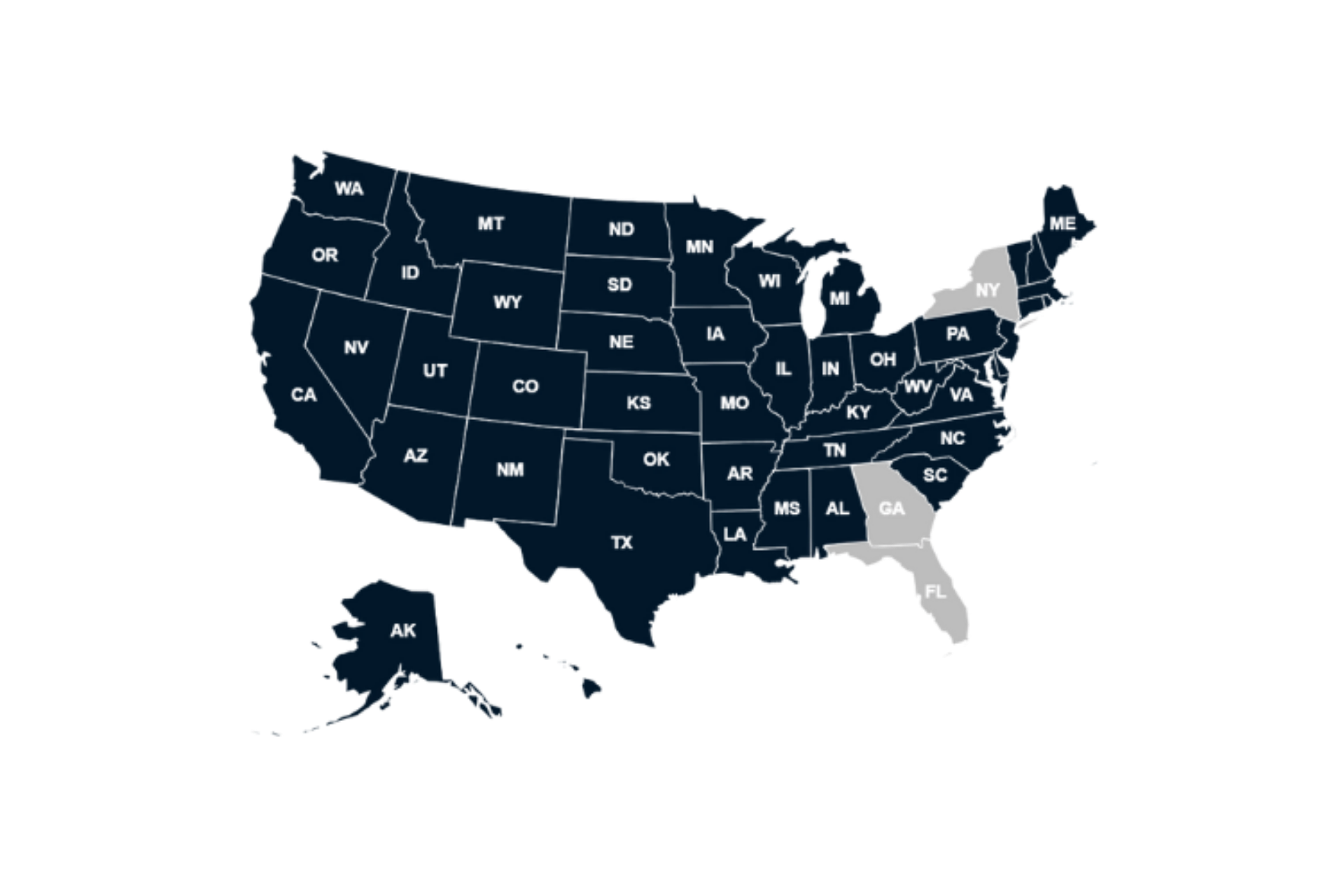
Classes, limits, deductibles, perils, catastrophe capacity, and state and coastal availability vary by account and market. For the full list, use "View state eligibility."
Small commercial property generally covers accounts under $5 million TIV, single locations and smaller schedules suited to efficient monoline or package placement. These are representative target classes; eligibility depends on construction, occupancy, protection, geography, catastrophe exposure, and underwriting approval.
Not all occupancies are available in every state. Eligibility depends on construction, occupancy, protection, geography, catastrophe exposure, and underwriting approval.
This category is suited to smaller buildings and schedules that call for efficient monoline or package placement. Occupancy, construction, protection, and catastrophe exposure still drive eligibility.
Large commercial property generally begins around $7 million TIV; larger single locations and multi-location schedules, including high-TIV, layered, shared, and catastrophe-exposed placements.
Capacity is subject to market availability and confirmed per account. Eligibility depends on occupancy, geography, construction, catastrophe exposure, structure, and underwriting approval.
Greenwood can access markets for larger single locations and multi-location schedules, including high-TIV, layered, shared, and catastrophe-exposed placements.
Markets availale targeting accounts beginning around $7 million TIV with capacity up to $60 million per location for qualifying habitational and commercial risks; $15 million per-building limit and full-limit or primary options. Capacity is subject to market availability and confirmed per account.
Select the coverages the account needs and we'll route the submission to the right property market. Coverage options depend on the account, and terms vary by construction, occupancy, protection, and exposure.
Coverage for the insured building and permanently installed property against covered causes of loss.
Coverage for qualifying furniture, fixtures, equipment, inventory, stock, and other business contents.
Coverage may help replace lost income and pay necessary extra expenses following a covered property loss.
Coverage may address increased rebuilding costs caused by enforcement of current building codes after a covered loss.
Coverage may be available for mechanical, electrical, and pressure-system breakdown losses.
Wind, hail, named-storm, or wind-only structures may be available depending on location and catastrophe capacity.
Flood and earthquake coverage or sublimits may be available depending on territory, construction, and market.
Large schedules may be structured with multiple insurers sharing or layering the total insured value.
Beyond the base coverage, a commercial property policy can often be tailored with additional coverages and endorsements. None are universal, flag what the account needs in the submission and underwriting will confirm what is available on the quoted form.
Enhancements, sublimits, deductibles, waiting periods, and causes of loss vary by market, occupancy, location, and policy form.
Definition: Commercial Property Insurance protects a business's covered buildings, contents, equipment, inventory, and income against direct physical loss or damage caused by covered perils.
A commercial property policy is built from a few related parts. Building coverage protects the structure and permanently installed property; business personal property covers contents, equipment, and stock; and tenant improvements and betterments cover a tenant's build-out. Business income and extra expense respond when a covered loss interrupts operations. The causes of loss can be written on a Special (all-risk) form, covering risks of direct physical loss unless excluded, or a named-peril form that lists the covered causes, and the two produce very different coverage.
Valuation and conditions matter as much as the perils. Replacement cost values a loss without deduction for depreciation, while actual cash value reflects depreciation. Coinsurance requires carrying a limit equal to a stated percentage of value, and agreed value can suspend that condition when values are documented. Deductibles, including separate catastrophe (wind, named-storm, or earthquake) deductibles that are often a percentage of value, shape both premium and recovery. On multi-location accounts, values can be scheduled by location, written on a blanket limit, or on larger schedules placed with multiple insurers on a layered or shared basis.
Commercial property also has clear boundaries. Standard forms generally do not automatically cover flood, earthquake, equipment breakdown, ordinance or law, cyber events, employee theft, wear and tear, deterioration, faulty workmanship, or certain vacant-building losses. Several of these are addressed by endorsement or separate coverage, and the exact treatment depends entirely on the policy wording. Greenwood places property across the full spectrum, from smaller monoline accounts to layered, catastrophe-exposed schedules, alongside commercial general liability and commercial package coverage when the account needs both.

Commercial property is underwritten to the building, the occupancy, and the exposure. These are common considerations brokers can speak to on a submission. Not every item applies to every account.
These are common underwriting considerations, not rigid universal requirements. What applies to a given account depends on the size, occupancy, geography, catastrophe exposure, and market.
Complete property submissions help underwriting evaluate valuation, construction, occupancy, protection, catastrophe exposure, and requested coverage. Here's what to include so you can get a quote back quicker.
ACORD 125, ACORD 140, the applicable property supplemental, and a Business Income worksheet where requested.
An Excel-formatted SOV showing location address, building value, business personal property, business income, construction, occupancy, year built, square footage, protection class, sprinkler status, and roof information.
Construction type, year built, roof age and type, electrical, plumbing, HVAC, and structural updates, code compliance, and renovation history.
Current occupancy, tenant mix, vacancy, business operations, hours, storage, cooking, manufacturing, hazardous materials, and special-use exposures.
For coastal or catastrophe-exposed risks: distance to coast, flood zone, elevation certificate where applicable, wind-mitigation features, roof-to-wall connection, shutters, catastrophe modeling data, and prior wind or flood losses.
Five years of currently valued property loss runs where available, with narratives for large losses, open claims, fire losses, water damage, wind losses, recurring claims, and catastrophe losses.
Replacement cost estimate, requested valuation, deductible, wind deductible, flood deductible, earthquake deductible, Business Income period, Ordinance or Law, Equipment Breakdown, and desired perils.
Where relevant: property inspection, roof report, photographs, appraisal, engineering report, rent roll, hotel franchise information, property-management information, the current policy, and a target premium. An ACORD application, loss runs, target premium, and an Excel-formatted SOV are the key items for a quick turnaround.
Straight answers to the questions retail agents ask most before placing commercial property business.
Commercial property insurance protects a business's covered buildings, contents, equipment, inventory, and income against direct physical loss or damage caused by covered perils. It responds to losses like fire, wind, and many other causes of loss, subject to the policy's terms, limits, deductibles, and exclusions. Greenwood General places it wholesale for retail agents and brokers, from smaller single-location accounts to large catastrophe-exposed schedules.
A commercial property policy generally covers the insured building and permanently installed property, business personal property such as contents and equipment, and — where added — business income and extra expense following a covered loss. Coverage can be written on a Special (all-risk) or named-peril basis, valued at replacement cost or actual cash value, with a range of optional enhancements. What actually applies depends on the policy form, occupancy, location, and requested perils.
Business personal property (BPP) covers qualifying contents the business owns or is responsible for — furniture, fixtures, equipment, machinery, inventory, and stock — against covered causes of loss. It is distinct from building coverage, and tenants often insure BPP and tenant improvements even when they do not own the building. Limits, valuation, and covered property vary by policy and occupancy.
Business income coverage may help replace income the business loses, and pay necessary extra expense, while operations are interrupted by a covered property loss. It requires a covered cause of loss and is subject to the policy's period of restoration, waiting period, and any coinsurance or limit. Because it responds to a covered property event, the underlying property coverage and valuation drive how it applies.
Replacement cost values a covered loss at the cost to repair or replace with like kind and quality, without deduction for depreciation, subject to policy terms. Actual cash value (ACV) reflects replacement cost minus depreciation. Replacement cost generally provides broader recovery, while ACV may apply to older buildings, certain roofs, or by market. The valuation basis is confirmed on the quoted form and affects both premium and claim payment.
Coinsurance is a policy condition requiring the insured to carry a limit equal to a stated percentage of the property's value. If the limit falls below that percentage at the time of loss, a coinsurance penalty can reduce the claim payment. Agreed value can suspend the coinsurance condition when values are documented. Accurate statements of value help avoid coinsurance shortfalls.
Agreed value is an option under which the insurer and insured agree on the property's value in advance, suspending the coinsurance condition for the policy term. It typically requires a signed statement of values and can protect against a coinsurance penalty at claim time. Availability and requirements vary by market and occupancy.
Generally, not automatically. Standard commercial property forms usually exclude flood, so flood coverage or a sublimit is typically added by endorsement or written separately, depending on the flood zone, elevation, construction, and market. Coastal and flood-exposed accounts should disclose the flood zone and elevation so underwriting can confirm what is available.
Generally, not automatically. Earthquake is usually excluded from standard property forms and added by endorsement or written separately where available, subject to territory, construction, and catastrophe capacity. Earthquake sprinkler leakage may be treated separately. Disclose the earthquake zone so underwriting can confirm whether coverage or a sublimit is available.
It depends on the market and location. Wind and hail may be included, excluded, sublimited, or written on a wind-only or named-storm basis, and catastrophe capacity is subject to availability. Coastal and wind-exposed accounts often carry separate wind deductibles. Confirm how wind and named storm are structured, and any percentage deductible, on the quoted form.
Ordinance or Law coverage may address increased costs after a covered loss when current building codes require upgraded materials or methods, or when undamaged portions must be demolished and rebuilt. Standard property forms limit these costs, so Ordinance or Law is typically added by endorsement, especially for older buildings. Sublimits and coverage parts vary by form and market.
Equipment breakdown coverage may respond to sudden mechanical, electrical, or pressure-system breakdown of covered equipment — losses that standard property forms often exclude. It is frequently added by endorsement and can be important for buildings with significant HVAC, boilers, or other systems. Availability and covered equipment vary by market and occupancy.
They can, but vacant property requires specialized underwriting. Vacancy changes the exposure — different causes of loss, security concerns, and reduced maintenance — so coverage may be narrower, subject to a vacancy permit or specific terms. Disclose vacancy, the reason, expected duration, and any security or maintenance so the account can be structured and placed with the right market.
Qualifying coastal and catastrophe-exposed property may be considered, with eligibility depending on the exact location, distance to saltwater, construction, roof condition, occupancy, requested perils, and catastrophe capacity. Peril structures range from special perils excluding wind and flood to named-storm and wind-only options. Coastal and state eligibility must be confirmed, and catastrophe capacity is subject to availability.
On larger schedules, the total insured value may exceed what one insurer will write, so the placement is built with multiple insurers. A layered placement stacks insurers at different attachment points to build the total limit; a shared (quota-share) placement has insurers participate in the same layer on a percentage basis. Both are common for high-TIV and catastrophe-exposed property, subject to market availability.
For this Greenwood program, small commercial property generally refers to accounts under $5 million total insured value — single locations and smaller schedules that often place efficiently on a monoline or package basis. Occupancy, construction, protection, and catastrophe exposure still drive eligibility, so the size band is a routing guide rather than an absolute rule.
For this Greenwood program, large commercial property generally begins around $7 million total insured value and includes larger single locations and multi-location schedules — often with catastrophe modeling, detailed statements of value, and layered or shared participation. Accounts between the general size bands are routed to the most appropriate market based on occupancy, geography, construction, catastrophe exposure, and requested structure.
Underwriting generally wants completed ACORD applications, an Excel-formatted statement of values with location, building value, business personal property, business income, construction, occupancy, year built, square footage, protection class, sprinkler status, and roof information, plus five years of currently valued loss runs and the requested valuation, deductibles, and perils. Catastrophe-exposed risks should add distance to coast, flood zone, elevation, and wind-mitigation detail. Submit a risk with a target premium to get started.
Place small property under $5 million TIV, large property generally $7 million TIV and above, monoline and package options, primary, layered, and shared structures, coastal and catastrophe access, and habitational, hospitality, retail, office, warehouse, and industrial risks. All with Greenwood General.
Classes, limits, deductibles, perils, catastrophe capacity, and state and coastal availability vary by account and market, and availability must be confirmed before binding. Confirm eligibility with your underwriter for state-specific requirements or restrictions.