
Core CGL
Premises and Operations Liability
Coverage for third-party bodily injury or property damage arising from the insured's premises or ongoing operations — the core of a commercial general liability policy.
Greenwood General is a wholesale MGA giving retail insurance agents and brokers access to commercial general liability markets across the United States. Monoline general liability, package options where eligible, occurrence or claims-made forms, and excess capacity for qualifying risks may be available, subject to underwriting.
A wholesale general liability program built for a broad range of small and middle-market commercial businesses. Availability, forms, and terms vary by class and market and are subject to underwriting.
Rounding out the account? Greenwood General also writes contractors general liability, commercial property and package coverage, and excess liability — or explore all of our wholesale commercial insurance markets.

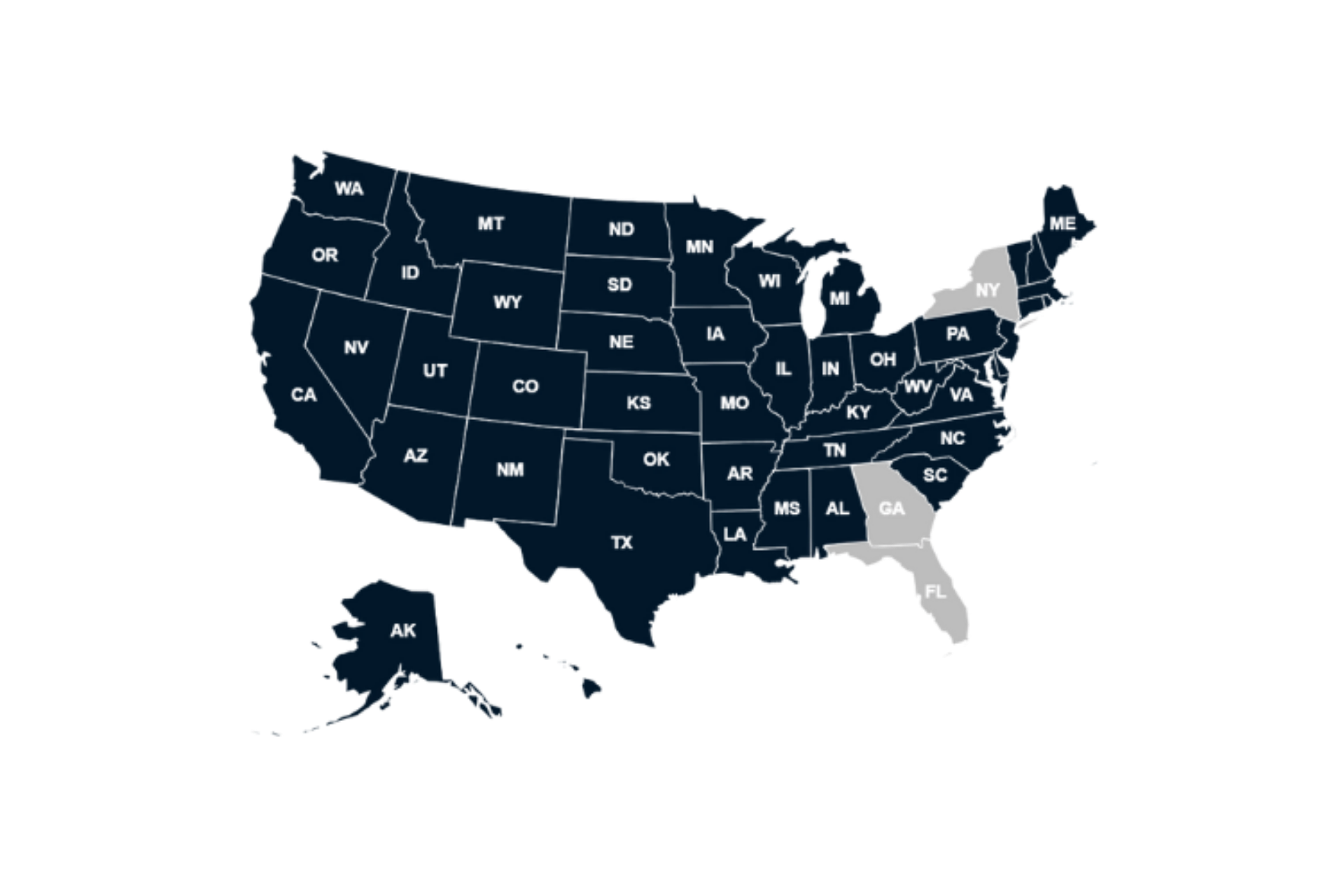
Coverage forms, endorsements, limits, class eligibility, and state availability vary by account and market. For full eligibility, use "View state eligibility."
A broker-friendly starting point for the classes the general liability program is built to serve — organized by segment. Appetite spans contractors, habitational and real estate, hospitality and food, retail and commercial premises, and community and service organizations.
Appetite varies by class, operations, location, loss history, policy form, and requested coverage. Near-miss risks may be submitted for underwriting review.
Commercial general liability is built around several related components; third-party bodily injury and property damage, personal and advertising injury, and products or completed operations claims. Select the coverage the account needs and we'll route the submission to the right general casualty market. Coverage options depend on the account, and terms vary by form, class, and market.
Coverage for third-party bodily injury or property damage arising from the insured's premises or ongoing operations — the core of a commercial general liability policy.
Coverage for claims arising from products sold, distributed, or manufactured, and from work completed after the job is finished — essential for contractors, manufacturers, and food businesses.
May address qualifying claims involving libel, slander, false arrest, wrongful eviction, and certain advertising offenses, subject to the policy form and exclusions.
General liability for general contractors and artisan trades, addressing both ongoing operations and completed work exposures.
Project-specific liability coverage for an owner or general contractor arising from the operations of a designated contractor — a separate policy from the contractor's own CGL.
Coverage for qualifying businesses that manufacture, sell, serve, or furnish alcoholic beverages. Liquor liability is separate from host liquor coverage and varies by state and class.
An endorsement that may provide liability coverage for certain hired or non-owned vehicles used in business operations. It is not a replacement for a Commercial Auto policy.
Optional endorsements that may address employee benefit administration errors and monopolistic-state employers liability exposures, where available and subject to underwriting.
Beyond the base coverage components, a general liability policy can often be tailored with endorsements. None are universal — flag what the account needs in the submission and underwriting will confirm what is available on the quoted form.
Endorsements and enhancements vary by market, policy form, class, jurisdiction, and underwriting approval. None should be assumed included until confirmed on the quoted form.
Definition: Commercial General Liability Insurance protects a business against covered third-party claims involving bodily injury, property damage, personal and advertising injury, and certain products or completed operations exposures.
A CGL policy is built from a few related parts. Premises liability responds to third-party injury or damage arising from the condition of the insured's location; operations liability responds to injury or damage from the insured's ongoing work, wherever it takes place. Completed operations extends that protection to a contractor's finished work after the job is done, and products liability responds to claims tied to a product the business sold, distributed, or manufactured once it leaves the insured's control.
That structure is why different accounts lean on different parts of the policy. Contractors depend on completed operations, because claims tied to finished work often surface months or years later. Property owners and habitational accounts depend on premises liability, since slip-and-falls and other location-based claims are their most common exposure. Manufacturers and distributors depend on products coverage. Greenwood places general liability across all of these classes — from contractors to habitational accounts — through one wholesale relationship.
General liability does not cover every business exposure, and standard forms exclude several important ones. It generally does not respond to professional errors, pollution, employee injuries, owned automobiles, cyber incidents, expected or intentional injury, damage to the insured's own work or product, or employment practices claims. Those exposures are addressed by separate coverages — for example contractors pollution liability, employment practices liability, and excess liability for higher limits. Reading the policy is the only way to confirm what a given CGL form covers.


General liability addresses covered third-party claims. Commercial property protects the insured's own buildings, contents, and other covered property. Many accounts carry both, often together in a package where eligible.
General liability generally addresses bodily injury and property damage. Professional liability addresses financial harm caused by alleged professional errors or omissions — a separate exposure that needs its own policy.
General liability responds to third-party claims and does not replace workers compensation, which covers injuries to the insured's own employees. Accounts with payroll need both.
A hired and non-owned auto endorsement does not replace a commercial auto policy. Owned vehicles and broader automobile exposures require dedicated commercial auto coverage.
A complete submission helps underwriting evaluate operations, products, premises, subcontracted work, contractual requirements, and loss history. Here's what to include so the account routes to the right general casualty market the first time. Not every item applies to every class — include what's relevant to the risk.
ACORD 125, ACORD 126, any applicable supplemental applications, and ACORD 140 if commercial property or package coverage is also requested.
Exact operations, products and services, customer types, project types, geographic territory, years in business, website, and business ownership and experience.
Annual gross sales, payroll, subcontractor costs, area, number of units, number of locations, admissions, receipts by operation, and liquor sales where applicable.
For contractors: work performed, residential/commercial split, new construction/remodeling split, maximum project size, subcontracted work and controls, certificates of insurance, written contracts, and any height, depth, or excavation exposure.
For premises risks: occupancy, square footage, number of units, building use, tenant mix, security, maintenance, swimming pools, playgrounds, special amenities, and vacancy.
For manufacturers, distributors, food businesses, and contractors: products handled, annual sales, geographic distribution, quality controls, recalls, warranties, and completed operations exposure.
Five years of currently valued loss runs where available, with claim narratives for large, open, unusual, or recurring losses.
Requested limits, deductibles, policy form, occurrence or claims-made request, additional insured requirements, waiver of subrogation, primary and noncontributory wording, effective date, and any excess limit request.
Straight answers to the questions retail agents ask most before placing general liability business.
Commercial general liability (CGL) insurance protects a business against covered third-party claims involving bodily injury, property damage, and personal and advertising injury, along with certain products and completed operations exposures. It generally responds to claims brought by people outside the business — customers, visitors, or other third parties — subject to the policy's terms, limits, and exclusions. Greenwood General places CGL wholesale for retail agents and brokers across a broad range of commercial classes.
A CGL policy generally covers third-party bodily injury and property damage arising from premises and operations, products and completed operations, and personal and advertising injury such as libel, slander, or certain advertising offenses. It typically pays covered damages the insured is legally obligated to pay, plus defense costs, subject to limits and exclusions. What actually applies depends on the policy form, endorsements, class, and market.
Premises and operations liability is the core of a CGL policy. Premises liability responds to third-party bodily injury or property damage arising from the condition of the insured's premises — a slip-and-fall in a store, for example. Operations liability responds to injury or damage arising from the insured's ongoing work, whether at its own location or a job site. Together they address the everyday exposures most commercial accounts face.
Products and completed operations coverage responds to third-party claims arising from products the business sells, distributes, or manufactures, and from work after it has been completed. For a contractor, completed operations covers claims tied to finished work; for a manufacturer or distributor, products coverage responds to claims tied to a product after it leaves the insured's control. It is a critical component for contractors, manufacturers, and food businesses.
It can. Completed operations coverage under a CGL policy is designed to respond to bodily injury or property damage arising from a contractor's finished work, subject to the policy terms and any exclusions. Because these claims often surface after a project ends, completed operations is essential for contractors — but coverage for a given claim depends on the form, endorsements, and how the work is classified.
It depends. Coverage related to subcontracted work is governed by the policy's terms, exclusions, and any subcontractor warranties or requirements — such as requiring subs to carry their own coverage and provide certificates of insurance. Many programs expect written contracts and subcontractor controls, and some limit or exclude certain subcontracted operations. Disclose the subcontracted work and controls in the submission so underwriting can confirm how it is treated.
An occurrence form responds to covered claims arising from events that happen during the policy period, regardless of when the claim is reported. A claims-made form responds to claims first made during the policy period, subject to any retroactive date and reporting provisions. Occurrence forms are common for general liability, but claims-made options may be available depending on the class and market. The two handle claim timing differently, so continuity matters when switching forms.
Generally, no. CGL is built for bodily injury, property damage, and personal and advertising injury — not financial harm caused by alleged professional errors or omissions. Accounts with a professional services exposure typically need a separate professional liability policy. Flag any professional exposure so the account can be structured with the right coverage.
Generally, no. Standard CGL forms carry pollution exclusions that remove most losses arising from the release of contaminants. Businesses with pollution exposure — environmental contractors, for example — usually need a dedicated contractors pollution or environmental policy. Greenwood also writes contractors pollution liability, so both placements can run through one wholesale relationship.
No. Employee injuries are addressed by workers compensation and employers liability, not commercial general liability. CGL responds to third-party claims, while injuries to the insured's own employees fall outside its scope. Accounts with payroll need a separate workers compensation program to cover employee injury exposures.
No. Liability for owned automobiles is covered by a commercial auto policy, not CGL. A hired and non-owned auto endorsement may be available on some general liability policies to address certain hired or non-owned vehicle exposures, but it is not a substitute for commercial auto coverage on owned vehicles.
Owners and Contractors Protective (OCP) liability is a separate policy that protects an owner or general contractor against liability arising from the operations of a specifically designated contractor on a particular project, plus their own supervisory acts. It is project-specific and distinct from the contractor's own CGL. OCP may be available depending on the project, the contractor, and the market.
Liquor liability is a separate coverage, not automatically part of CGL, and it is distinct from host liquor coverage. Businesses that manufacture, sell, serve, or furnish alcohol generally need dedicated liquor liability, which may be supported for qualifying risks depending on the state, class, and market. Disclose alcohol sales and operations in the submission so underwriting can confirm what is available.
Common commercial general liability limits are often $1 million per occurrence and $2 million general aggregate, frequently with a separate $2 million products-completed operations aggregate — but the right limits vary by account, contract requirements, class, and market. Per-location or per-project aggregate endorsements and higher limits through excess liability may be available for qualifying risks. Requested limits should reflect the account's contracts and exposures.
Yes. Monoline commercial general liability is available, and package options that combine general liability with property or other coverages may also be available where eligible. Whether monoline or package is the better fit depends on the account, the classes involved, and the market. Both structures are subject to underwriting.
Underwriting generally wants completed ACORD applications (125, 126, and applicable supplementals), a full description of operations, and exposure information such as gross sales, payroll, subcontractor costs, square footage, units, or receipts by operation. Add contractor or premises detail where relevant, products and completed operations information, five years of currently valued loss runs with narratives for larger claims, and the requested limits, form, endorsements, and effective date. Submit a risk to get started.
Greenwood helps retail agents access general liability markets for contractors, premises risks, habitational accounts, hospitality, retail, service businesses, manufacturers, and specialty casualty classes — monoline and package options, occurrence and claims-made forms, optional endorsements, and excess liability access. We never compete with the retail agents we serve.
Class eligibility, coverage forms, endorsements, and state availability vary by account and market. Confirm eligibility with your underwriter for state-specific requirements or restrictions.