


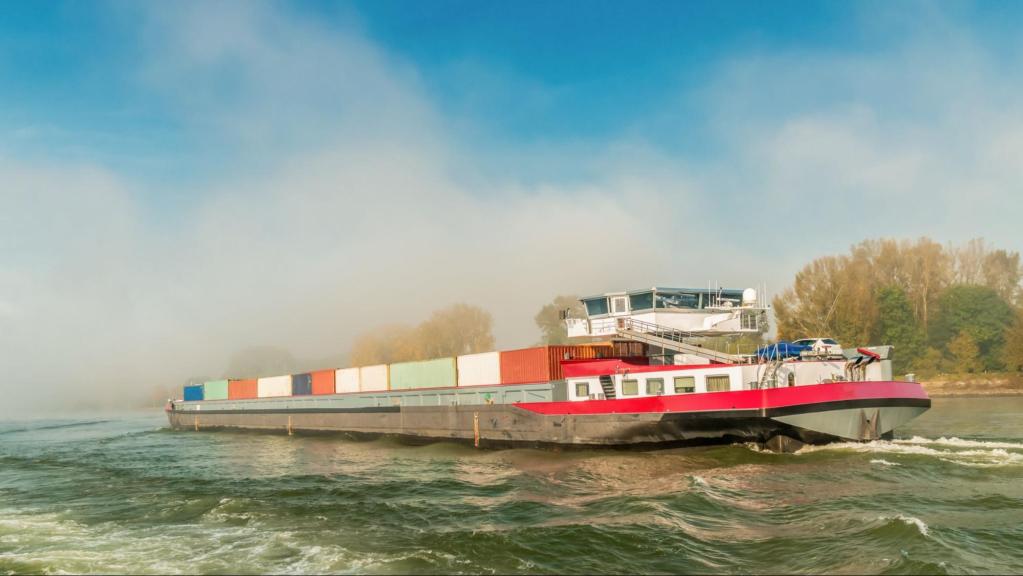
Business property doesn’t always stay safely inside an office, store, warehouse, or workshop. Equipment travels between job sites, while products move toward customers and temporary storage locations. Standard property coverage may leave gaps when valuable assets move beyond their usual premises. Those gaps can become costly after theft, accidental damage, fire, or transportation-related losses. Inland marine insurance helps protect movable property wherever normal business operations may take it.
What Inland Marine Insurance Covers
Inland marine policies cover property that moves or faces risks beyond fixed business locations. Despite its name, the coverage has little connection with oceans or traditional marine shipping. Businesses use it for equipment, merchandise, specialized property, and customer items under their control. Understanding its purpose makes potential gaps in standard commercial property coverage easier to recognize.
How Inland Marine Coverage Works
A policy generally protects covered property during transportation, temporary storage, installation, or relocation. Covered events may include theft, fire, collision, vandalism, and certain forms of accidental damage. Exact protection depends on the policy form, exclusions, deductibles, coverage territory, and selected limits. Some policies provide broad protection unless the contract specifically excludes a particular cause of loss. Others cover only named perils, meaning the contract must specifically identify the damaging event. Reviewing these details helps businesses understand when their movable property is financially protected.
Why the Coverage Has an Unusual Name
The term developed from marine insurance, which originally protected goods transported across oceans and waterways. Commerce later expanded through railroads, trucks, bridges, tunnels, and other land-based transportation networks. Insurers adapted marine coverage concepts to protect valuable goods moving along those inland routes. The protection eventually expanded beyond transportation to include many specialized forms of movable property. Modern policies can cover eligible assets at job sites, exhibitions, warehouses, and temporary locations. The historical name remains, although today’s coverage extends far beyond traditional marine transportation.
What Inland Marine Insurance May Not Cover
Inland marine coverage does not automatically protect every movable asset against every possible loss. Policies often exclude ordinary wear, intentional damage, and losses involving certain prohibited property. Some causes of loss may require separate endorsements or another type of insurance policy. Coverage can also depend on where property travels and how a business uses it. Policy limits may restrict payments even when the underlying loss qualifies for coverage. Reading the exclusions and conditions helps businesses avoid relying on protection they do not actually have.
Property That May Need Protection
Movable property can face different risks than furniture permanently located inside an insured building. Theft exposure may increase during transportation, installation, temporary storage, or work at unfamiliar locations. Standard commercial property insurance may provide limited protection once assets leave scheduled business premises. Specialized movable property coverage can address those changing risks more directly and comprehensively.
Tools and Mobile Business Equipment
Contractors often transport tools, generators, compressors, and specialized equipment between several active job sites. Landscapers, technicians, photographers, and event companies also depend heavily on portable business property. Theft from vehicles, trailers, or construction areas can create immediate operational and financial problems. Certain inland marine forms can protect eligible equipment while stored, transported, or used elsewhere. Contractors’ equipment coverage commonly addresses larger machinery and valuable tools used away from company headquarters. Businesses should confirm covered locations because territorial restrictions and security requirements may still apply.


Goods Moving Between Locations
Products can be damaged before reaching customers, warehouses, distributors, or other company-owned business locations. Commercial property policies do not always provide sufficient protection throughout the entire transportation process. Transit coverage can protect goods while approved transportation methods move them between eligible locations. Protection may apply to owned goods or property for which the company assumes responsibility. Policies can also address loading, unloading, and temporary storage under certain covered circumstances. Companies should compare shipping arrangements with policy terms before assuming every shipment receives protection.
Customer Property in Your Care
Businesses can become financially responsible for valuable property belonging to customers or business partners. Repair shops, cleaners, storage providers, and other service companies regularly handle property they do not own. Damage or theft can create financial consequences, along with customer service and reputational concerns. Certain inland marine policies can cover customer property while the business has custody or control. Protection depends on the policy language and the company’s legal responsibility for the property. Businesses handling customer belongings should verify coverage before relying on general commercial property insurance.
Businesses That Often Need Coverage
Many companies depend on property that regularly travels beyond their primary insured business premises. Their exposure can continue during delivery, installation, repair, exhibitions, demonstrations, and temporary storage periods. Even smaller businesses may carry substantial property value inside one vehicle or equipment trailer. Inland marine protection can align insurance more closely with those everyday operating patterns.
Contractors and Skilled Trades
Construction businesses routinely move valuable equipment among offices, storage areas, vehicles, and active projects. Electricians, plumbers, roofers, and other tradespeople may carry thousands of dollars in specialized tools. A single theft can delay projects and force the company to replace equipment quickly. Contractors’ equipment insurance can cover machinery and tools that property policies may not adequately cover. Some policies can also cover rented or borrowed equipment when the contract specifically includes it. Accurate equipment schedules and current valuations may reduce disagreements when the business files a claim.
Retailers and Service Companies
Retailers may need protection when moving merchandise among stores, warehouses, customers, and temporary selling locations. Service businesses face similar exposures when employees transport valuable equipment to client properties. Technology companies may move computers, testing devices, servers, or communications equipment between different work locations. Event businesses regularly transport staging equipment, displays, decorations, lighting systems, and other valuable materials. Specialized inland coverage can follow eligible property as business activities shift among different locations. Companies should evaluate actual movement patterns rather than judge coverage needs solely by industry type.
Specialized Inland Marine Policies
Inland marine insurance includes specialized forms designed for different property exposures. Coverage can protect business assets, customer property, construction materials, or valuable professional equipment. Policy names vary by insurer, but the underlying property risks often remain similar. Choosing appropriate coverage requires matching each policy with property ownership, movement, and business responsibility.
Builders Risk and Installation Coverage
Construction projects create unusual exposures because buildings and materials constantly change before project completion. Builders risk insurance can cover structures and certain materials during construction or major renovation work. Protection may extend to materials awaiting installation at covered locations or approved temporary storage sites. Installation floaters can protect equipment while contractors transport, store, and install property for customers. Examples include electrical systems, heating equipment, machinery, cabinets, fixtures, and other installation materials. Contractors should coordinate these policies carefully because responsibilities can shift among owners and subcontractors.

Bailee and Valuable Property Coverage
Some businesses temporarily possess customer property for repair, cleaning, storage, processing, or another professional service. Dry cleaners, repair shops, jewelers, and similar companies can face losses involving property they do not own. Bailee coverage can protect customer belongings while they remain in the company’s care. Other inland marine forms can cover fine art, valuable documents, cameras, or specialized professional equipment. Coverage limits may apply individually, collectively, or through scheduled values for specific high-value items. Detailed records help establish ownership and value when expensive customer property becomes damaged or disappears.
Electronic Data Processing Equipment
Businesses increasingly depend on portable computers, communications equipment, and other specialized electronic property. Standard property coverage may not adequately address equipment that frequently moves among multiple locations. Certain inland marine forms can protect eligible electronic equipment against covered physical losses. Coverage can sometimes extend to specialized hardware, media, and related equipment used away from headquarters. Policy definitions matter because software, data restoration, and cyber incidents may require separate protection. Companies should distinguish physical equipment coverage from cybersecurity insurance when reviewing technology-related risks.
Inland Marine Versus Other Policies
Insurance policies sometimes overlap enough that business owners may struggle to see where coverage begins and ends. Commercial property, cargo, vehicle, and inland marine policies can cover different parts of a single loss. The applicable coverage often depends on ownership, location, transportation method, and the cause of damage. Comparing those distinctions can prevent assumptions that leave valuable business property inadequately protected.
Commercial Property Insurance Differences
Commercial property insurance primarily protects business assets at locations described within the insurance policy. Buildings, furniture, inventory, and equipment may receive coverage while located at those insured premises. Some policies offer off-premises protection, but available limits may not match the company’s actual exposure. Inland marine insurance focuses more directly on movable property and assets temporarily located elsewhere. That difference matters when equipment regularly travels or inventory frequently moves between business locations. Reviewing both policies together can reveal duplicate coverage, inadequate limits, or potentially uninsured property.
Commercial Auto and Cargo Differences
Commercial auto insurance primarily addresses insured vehicles, liability exposures, and certain physical damage to automobiles. It does not automatically cover business property carried inside those vehicles. Cargo insurance typically covers goods transported commercially under specific shipping or transportation arrangements. Inland marine protection can address broader movable-property exposures that extend beyond a single shipment. Appropriate coverage depends partly on who owns the property and assumes responsibility during transportation. Businesses with complicated shipping arrangements may need several coordinated policies rather than one broad solution.
Costs, Limits, and Policy Exclusions
Premiums vary because insurers evaluate property, operations, transportation patterns, and potential loss severity. A company moving expensive equipment daily presents different risks than an occasional shipper. Coverage limits and deductibles also affect protection levels and overall insurance cost. Understanding those variables helps businesses compare policies based on coverage value rather than premiums alone.
Factors That Influence Premiums
Insurers commonly consider property value, equipment type, transportation frequency, and operating territory when calculating premiums. Previous insurance claims may influence pricing because they reveal historical loss patterns. Security measures can matter when businesses transport valuable equipment or store those assets overnight. Higher policy limits generally increase premiums because insurers accept greater potential financial exposure. Choosing a larger deductible may lower premiums, although the business assumes more initial loss expense. Accurate business information helps insurers price coverage based on actual operations rather than incomplete assumptions.
Common Limits and Exclusions
Every inland marine policy includes conditions that define covered property, causes of loss, and payment limits. Policies may exclude normal wear, gradual deterioration, insects, dishonest acts, or certain unexplained disappearances. Flood, earthquake, and other catastrophe coverage can also vary considerably by policy form. High-value property may require scheduled limits instead of a single general coverage amount. Some contracts contain sublimits that restrict payments for particular property categories or specific loss situations. Reading exclusions before purchasing coverage can prevent serious misunderstandings after an expensive property loss.
Replacement Cost Versus Actual Cash Value
Valuation methods can significantly affect how much a business receives after a covered property loss. Replacement cost generally reflects the expense of replacing damaged property without subtracting depreciation. Actual cash value commonly accounts for depreciation based on factors such as age and condition. A lower valuation can leave a business paying more to replace essential equipment after a claim. Policy language determines which valuation method applies and whether special conditions affect the settlement. Businesses should understand that calculation before selecting coverage based primarily on its premium.
How to Reduce Mobile Property Risks
Insurance can cover financial losses, but practical safeguards can reduce preventable damage and theft. Businesses should secure equipment during transportation and maintain accurate records of valuable mobile property. Employees also need clear procedures for handling, storing, and reporting damaged or missing assets. Regular inventory updates can help identify changing values and potential coverage gaps. An experienced insurance agency can review these risks and recommend coverage suited to daily operations. Combining appropriate insurance with consistent security practices provides stronger protection for property away from business premises.
Protect Your Assets With Inland Marine Insurance
Property can leave your premises in seconds, but your financial exposure travels with it. Review where your equipment, inventory, and customer property go during normal business operations. Then, address any coverage gaps before a routine trip turns into an expensive loss. The right inland marine insurance can protect the assets your business depends on wherever work takes them.
Learn more about protecting your business from everyday risks. Visit the Greenwood General Insurance Agency blog for practical insurance insights and helpful coverage information.