

Core Coverage
Liquor Liability
Coverage for qualifying bodily injury or property damage claims arising from the sale, service, or furnishing of alcohol — the core of a liquor liability policy.
Greenwood General is a wholesale MGA giving retail insurance agents and brokers access to liquor liability markets offering monoline liquor liability or liquor paired with general liability, occurrence-form options, assault and battery buy-back options.
A wholesale liquor liability program built for the full range of alcohol-related businesses — hospitality, retail, manufacturing, distribution, clubs, and events. Greenwood gives retail agents access to monoline liquor liability or liquor paired with general liability, written on an occurrence form with each-common-cause and aggregate limits. Depending on the market, defense costs may be provided outside the liability limits, first-dollar options with no deductible or self-insured retention may be available, per-location aggregate treatment may apply, and employee or volunteer additional insured provisions and assault and battery options may be added. Coverage can address permanent premises and qualifying off-premises catering exposures. Availability, forms, and terms vary by class and state and are subject to underwriting.
Limits: ranging from $50,000 each common cause and aggregate up to $1 million each common cause and $2 million aggregate may be available, depending on the account and market. Limits are not guaranteed and are confirmed before binding.
Rounding out the account? Greenwood General also writes commercial general liability, commercial property and package coverage, and excess liability for higher limits — or explore all of our wholesale commercial insurance markets.

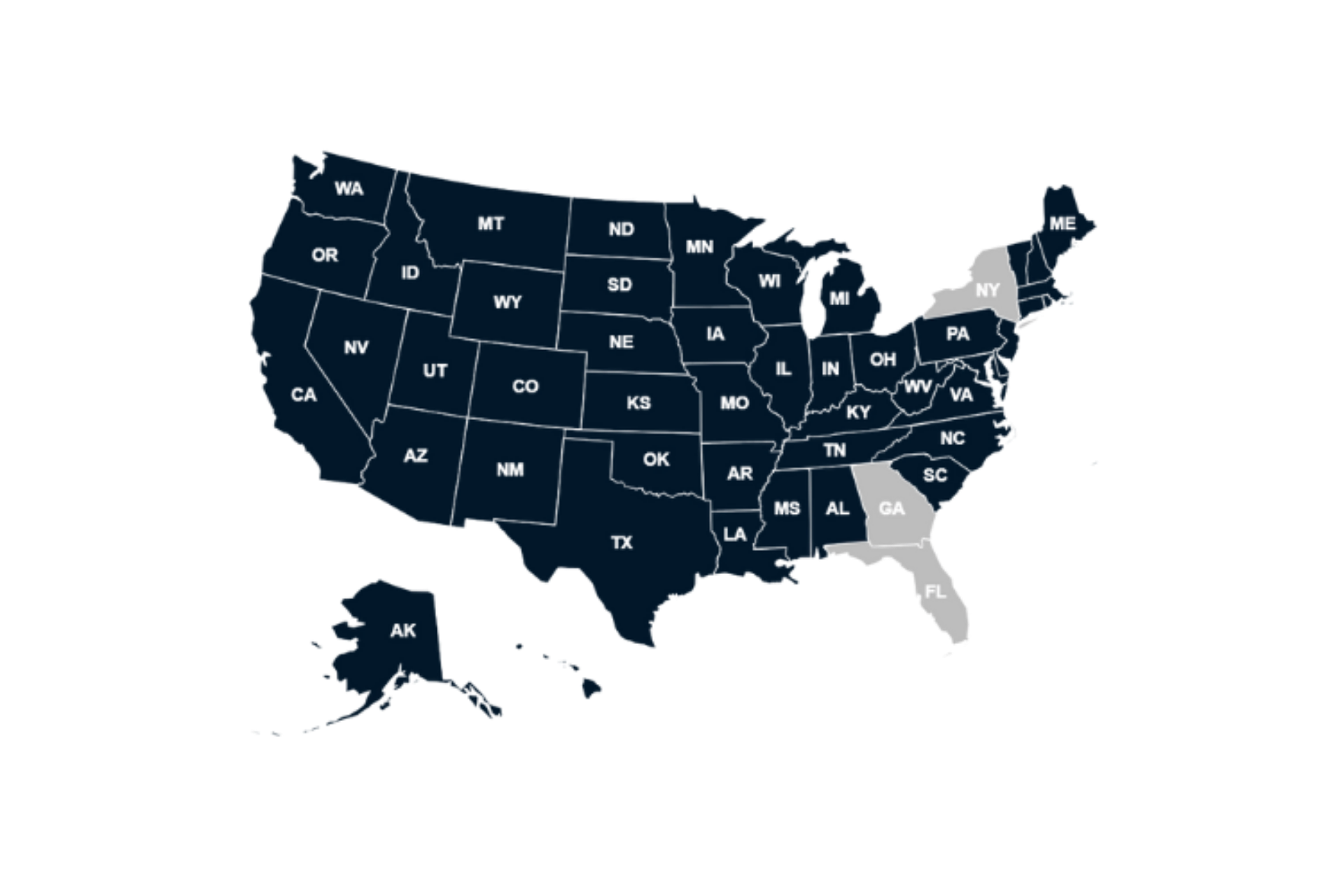
Limits, deductibles, coverage forms, Assault and Battery options, state availability, and eligible classes vary by market and underwriting. For full eligibility, use "View state eligibility."
A broker-friendly starting point for the classes the liquor liability program is built to serve — organized by segment. Appetite spans bars and entertainment, alcohol retail and manufacturing, clubs and recreation, and hospitality and events.
Eligibility varies according to alcohol sales, operating hours, entertainment, security, prior losses, state requirements, Assault and Battery exposure, and other underwriting factors. Submit near-miss classes for review.
Liquor liability helps address claims arising from the sale, service, furnishing, manufacturing, or distribution of alcoholic beverages. Select the structure the account needs — monoline or combined, with the endorsements that fit the operation — and we'll route the submission to the right market. Coverage options vary by account, and terms vary by class and state.
Coverage for qualifying bodily injury or property damage claims arising from the sale, service, or furnishing of alcohol — the core of a liquor liability policy.
Standalone liquor liability for accounts that already carry general liability elsewhere or only need the alcohol-related coverage.
Liquor liability may be paired with general liability for qualifying premises and operations, so both exposures sit with one placement.
May be available through a buy-back, generally subject to separate limits, underwriting, security controls, and additional premium. One available structure uses a $100,000 each common cause / $200,000 aggregate sublimit with defense within the sublimit — not the only structure, and not universally offered.
Employees may be included as additional insureds for acts within the scope of their employment, depending on the form.
Volunteer coverage may be available for qualifying fraternal clubs, caterers, and special events.
Lessor and other additional insured endorsements may be available for an additional premium.
Coverage may extend to qualifying off-premises catering or scheduled event operations, subject to the policy's premises and event requirements.
Beyond the core coverage, a liquor liability policy can often be tailored with additional features and endorsements. None are universal, flag what the account needs in the submission and underwriting will confirm what is available on the quoted form.
Coverage features, endorsements, sublimits, defense provisions, deductibles, and availability vary by policy form, market, class, and jurisdiction.
Definition: Liquor Liability Insurance protects businesses against covered claims arising from the sale, service, furnishing, manufacturing, or distribution of alcoholic beverages, including allegations that an intoxicated person caused bodily injury or property damage.
Any business that sells, serves, furnishes, manufactures, or distributes alcohol carries a liquor liability exposure. Alcohol-related claims typically arise when an intoxicated patron injures someone — a fight, a car accident, or property damage — and the injured party alleges the business over-served or served a minor. Many states have dram shop laws that can hold an alcohol-serving business liable for that harm, and those laws vary widely by state. Because a standard commercial general liability policy generally excludes claims arising from the business of selling or serving alcohol, businesses in that business need dedicated liquor liability.
Liquor liability is different from host liquor liability. Host liquor coverage is intended for businesses that do not regularly sell or serve alcohol — an office holiday party, for example — while a business in the business of selling or serving alcohol needs a commercial liquor liability policy. Underwriting weighs how central alcohol is to the operation: the percentage of revenue from alcohol versus food, the hours of operation, and whether the venue runs late-night. A restaurant with a small bar underwrites differently than a nightclub.
Entertainment and late-night hours raise the stakes. Live music, DJs, dancing, cover charges, and closing times after midnight all influence pricing and eligibility, and they often bring an assault and battery exposure that underwriters review separately from the core liquor exposure. Security procedures — trained servers, age verification, ID scanning, incident logs, and staffing — matter, because they shape both the liquor and the assault and battery picture.
Permanent premises, special events, and off-premises catering are underwritten differently. A permanent bar or restaurant is rated on its ongoing operations; a festival or fundraiser is rated on the event; and catering coverage depends on where and how alcohol is served away from the insured's location. Dram shop laws vary by state, and the policy language — not this page — determines what is covered. Greenwood's team matches each account to the market whose form actually fits, whether that's monoline liquor liability or liquor paired with general liability.

Host liquor coverage may apply to businesses that do not regularly sell, serve, or furnish alcohol. Businesses in the business of selling or serving alcohol generally need dedicated liquor liability — host liquor is not a substitute for a commercial liquor liability policy.
General liability addresses ordinary premises and operations claims. Liquor liability addresses alcohol-related claims that general liability often excludes. The two may be written together or separately.
Liquor liability and assault and battery address different exposures. Assault and battery coverage may be excluded, limited, or available through a buy-back — brokers should confirm the defense treatment and any sublimits.
A special event policy may include general liability, but liquor liability may need to be specifically added when alcohol is sold, served, or furnished. Event structure, attendance, alcohol service, security, and duration affect eligibility.
Liquor liability is underwritten to the operation. These are the factors that most often shape eligibility, pricing, and terms — common considerations rather than rigid universal requirements. Addressing them up front helps the account route to the right market.
These are common underwriting considerations, not rigid universal requirements. What applies to a given account depends on the class, operation, state, and market.
Complete submissions help underwriting assess alcohol service, venue operations, entertainment, security, sales, events, and prior losses. Here's what to include so the account routes to the right liquor liability market the first time. Not every item applies to every class — include what's relevant to the risk.
ACORD 803, ACORD 125, ACORD 126 if general liability is requested, the liquor liability supplemental application, and a special event application where applicable.
Business type, years in operation, location, occupancy, square footage, seating capacity, website, hours of operation, and closing time.
Total annual gross sales, annual alcohol sales, alcohol percentage, food percentage, cover charges, event receipts, and catering receipts.
Server training, age-verification procedures, drink limits, last-call procedures, policies for intoxicated patrons, transportation arrangements, and alcohol delivery procedures if applicable.
Live music, DJs, dancing, comedy, adult entertainment, security staff, bouncers, firearms, ID scanning, incident logs, and crowd-control procedures.
Prior fights or incidents, assault and battery claims, security contracts, written incident procedures, requested assault and battery limits, and current exclusions or sublimits.
Three to five years of currently valued loss runs where available, prior liquor liability limits and deductibles, prior assault and battery coverage, any cancellations or nonrenewals, and narratives for significant claims.
Requested limits, effective date, monoline or combined placement, additional insured requirements, catering exposure, event dates, attendance, alcohol-service arrangement, and any landlord requirements.
Straight answers to the questions retail agents ask most before placing liquor liability business.
Liquor liability insurance protects businesses against covered claims arising from the sale, service, furnishing, manufacturing, or distribution of alcoholic beverages — including allegations that an intoxicated person caused bodily injury or property damage. It responds to third-party alcohol-related claims that standard general liability often excludes, subject to the policy's terms, limits, and exclusions. Greenwood General places it wholesale for retail agents and brokers serving hospitality, retail, and alcohol-related businesses.
Any business that sells, serves, furnishes, manufactures, or distributes alcohol carries a liquor liability exposure — bars, taverns, restaurants, nightclubs, liquor and package stores, breweries, distilleries, wineries, caterers, clubs, hotels, and event operations. Many contracts, landlords, and state licensing requirements also call for it. Because general liability generally excludes claims arising from the business of selling or serving alcohol, these accounts typically need dedicated coverage.
Liquor liability generally responds to covered third-party bodily injury or property damage claims tied to the sale, service, or furnishing of alcohol — for example, an allegation that a business over-served a patron who then caused harm. Coverage is subject to the policy form, limits, and exclusions, and can be extended with endorsements such as additional insureds or, where available, an assault and battery buy-back. What actually applies depends on the form, class, state, and market.
A dram shop claim is a claim brought under a state's dram shop law, which can hold an alcohol-serving business liable when an intoxicated or underage patron later causes injury or damage to a third party. Dram shop laws vary widely by state, both in whether they exist and how far liability extends. Liquor liability insurance is the coverage designed to respond to these claims, subject to the policy terms.
Generally, no. Standard commercial general liability forms exclude claims arising from the business of selling, serving, or furnishing alcohol. That exclusion is exactly why businesses in that business need a dedicated liquor liability policy, which can be written monoline or paired with general liability. Confirm the general liability form's liquor exclusion and place liquor liability accordingly.
Host liquor liability is intended for businesses that do not regularly sell, serve, or furnish alcohol — such as an office event where alcohol is provided but not sold. A business in the business of selling or serving alcohol generally needs a commercial liquor liability policy. Host liquor coverage is not a substitute for dedicated liquor liability, so match the coverage to how central alcohol is to the operation.
Yes. Monoline liquor liability is available for accounts that already carry general liability elsewhere or only need the alcohol-related coverage. It can also be paired with general liability for qualifying premises and operations. Whether monoline or combined is the better fit depends on the account and the market, and both are subject to underwriting.
Yes. For qualifying premises and operations, liquor liability may be written together with general liability so both the ordinary premises exposure and the alcohol exposure sit with one placement. Combined placement can simplify the account, while monoline liquor liability offers flexibility when general liability is written elsewhere. Availability depends on the class, state, and market.
It depends. Assault and battery is treated as a separate exposure and is often excluded or sublimited on liquor liability policies. Coverage may be available through an assault and battery buy-back, generally subject to separate limits, underwriting, security controls, and additional premium — one available structure uses a $100,000 each common cause / $200,000 aggregate sublimit with defense within the sublimit. Brokers should confirm the defense treatment and any sublimits on each account.
Many liquor liability forms include employees as additional insureds for acts within the scope of their employment, though the exact treatment depends on the form. Some markets also offer volunteer additional insured coverage for qualifying clubs, caterers, and events. Confirm how insureds are defined on the specific policy.
It can. Coverage may extend to qualifying off-premises catering or scheduled event operations, subject to the policy's premises and event requirements. Because serving alcohol away from the insured's location changes the exposure, underwriting reviews where and how alcohol is served, event attendance, and security. Disclose catering and event operations in the submission so they can be covered appropriately.
Limits ranging from $50,000 each common cause and aggregate up to $1 million each common cause and $2 million aggregate may be available, depending on the account and market. Liquor liability limits are typically expressed on an each-common-cause and aggregate basis, and per-location aggregate treatment may be available for multi-premises accounts. Higher limits through excess liability may be an option for qualifying risks.
Occurrence-form liquor liability may be available depending on the market. An occurrence form responds to covered claims arising from events during the policy period, regardless of when the claim is reported. Because forms and provisions vary by market, confirm the form, defense treatment, and any sublimits before binding.
It varies. First-dollar options with no deductible or self-insured retention may be available depending on the account and market, while other placements may carry a deductible. The deductible or retention affects pricing and how claims are handled, so confirm the structure on the quoted form.
Underwriting generally wants completed ACORD applications and a liquor liability supplemental, business and venue details, and sales information — total gross sales, alcohol sales, and the alcohol percentage of revenue. Add alcohol-service procedures, entertainment and security detail, any assault and battery exposure, three to five years of currently valued loss runs, and the requested limits and effective date. The more complete the file, the faster it quotes.
Liquor liability accounts are underwritten to the operation, so turnaround depends on the class and the completeness of the file. A complete submission — application and supplemental, sales splits, hours and entertainment detail, security procedures, and loss runs — routes to the right market the first time and quotes fastest. Complex or higher-hazard venues may take additional review. Submit a risk to get started.
Greenwood helps retail agents access liquor liability markets for hospitality, retail, manufacturing, distribution, catering, clubs, and special events: monoline or combined options, permanent premises and event placements, assault and battery options, and additional insured endorsements.
Limits, deductibles, coverage forms, Assault and Battery options, eligible classes, and state availability vary by market and underwriting. Availability must be confirmed before binding. Confirm eligibility with your underwriter for state-specific requirements or restrictions.