

P&C Industry Tips


Who Are the Best Candidates for Pollution Liability Insurance?
Business owners face growing scrutiny around environmental impact and operational risk. A small spill or hidden contamination can quickly grow into legal disputes and expensive cleanup orders. Traditional business insurance often excludes environmental damage, leaving companies responsible for these costs. Pollution liability insurance fills that coverage gap and protects companies facing contamination claims. Many industries now view environmental coverage as a practical safeguard against unpredictable environmental exposure.
Pollution Liability Insurance for Businesses
Pollution liability insurance covers costs associated with contamination of land, water, or air. This environmental coverage protects businesses against property damage and health concerns caused by pollutants. Regulators often require cleanup actions that entail high costs and legal obligations. Pollution liability insurance helps companies manage those financial risks and maintain operational stability.
What Pollution Liability Coverage Includes
Pollution liability insurance covers environmental cleanup, legal defense, and third-party damage claims. Businesses rely on this coverage when pollutants harm soil, groundwater, or nearby properties. Insurance policies may also pay investigation costs required by environmental regulators. These investigations often determine how contamination occurred and how far pollutants spread. Coverage may extend to emergency response expenses following sudden spills or leaks. Many environmental policies also include protection against gradual pollution discovered years later.
Limits of Standard Liability Insurance
General liability insurance rarely covers environmental contamination or hazardous material releases. Most commercial policies include pollution exclusions that remove environmental coverage entirely. These exclusions mean businesses must handle cleanup costs without insurance assistance. A small chemical leak or fuel spill can still trigger legal liability. Property owners, regulators, and neighbors may seek compensation for environmental damage. Pollution liability insurance addresses those gaps with specialized environmental protection.
Growing Environmental Liability Risks
Environmental liability now affects many industries beyond traditional manufacturing sectors. Regulators monitor waste handling, emissions, and water contamination more closely than before. Businesses also face lawsuits from neighboring property owners affected by pollution. Environmental claims sometimes surface years after contamination first occurred. Hidden pollutants may appear during property inspections or redevelopment projects. Pollution liability insurance helps businesses prepare for those long-term risks.
Industries With High Pollution Risk
Industries that regularly use chemicals or generate waste face greater environmental exposure. Operations involving fuel, solvents, or industrial materials increase the risk of contamination. Environmental incidents often trigger investigations, fines, and cleanup obligations. Pollution liability insurance helps these industries manage environmental claims without severe financial disruption.
Manufacturing and Industrial Facilities
Manufacturing facilities handle chemicals, fuels, and solvents during daily operations. These substances can contaminate soil or groundwater if containment systems fail. Industrial processes may also release pollutants through equipment leaks or accidental spills. Regulators often require environmental monitoring around manufacturing sites. Cleanup orders and legal claims may follow if contamination spreads beyond facility boundaries. Pollution liability insurance protects manufacturers from these environmental liabilities.
Construction and Contracting Firms
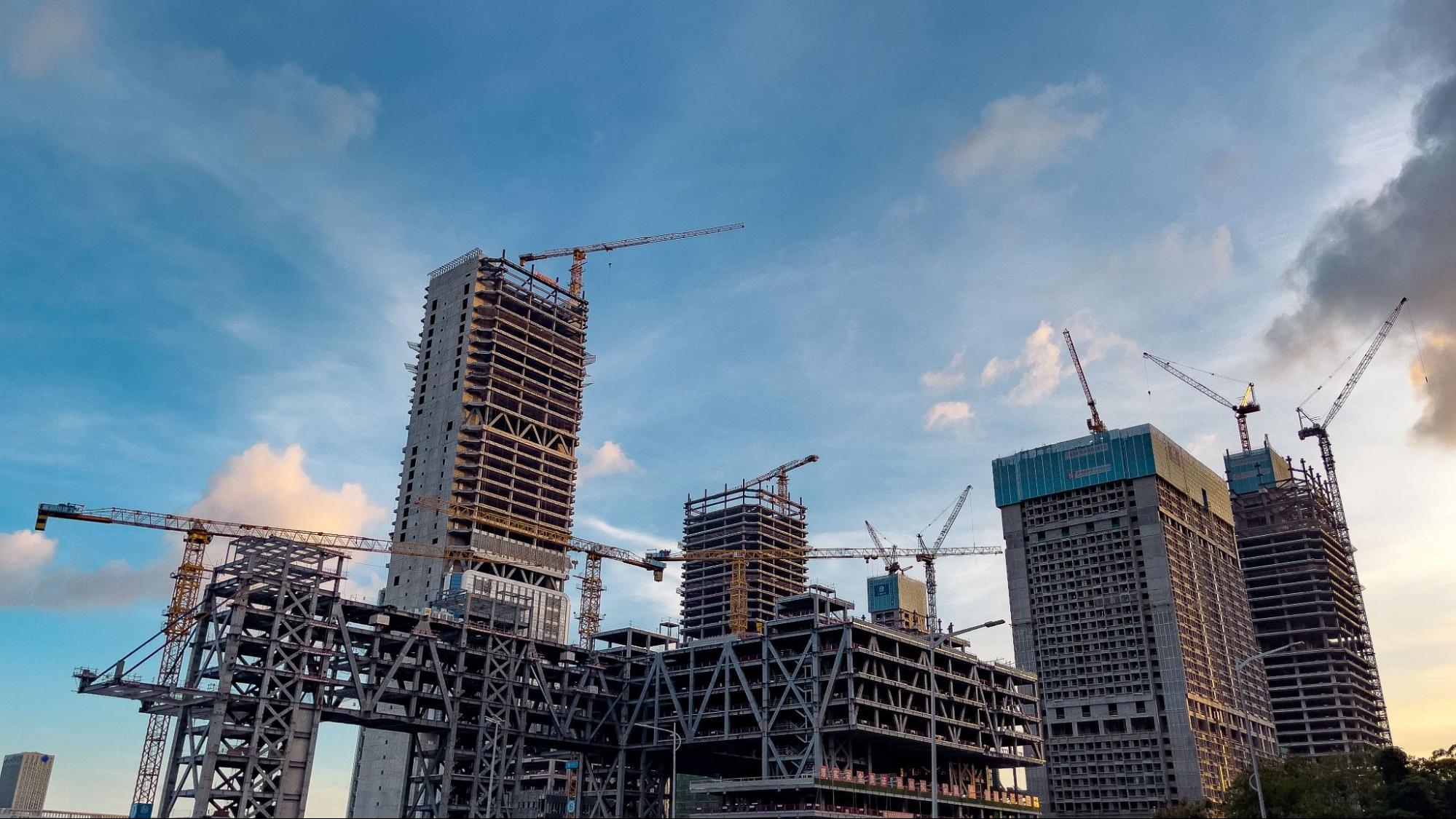
Construction projects frequently disturb land that contains buried contaminants. Excavation may expose chemicals left from earlier industrial activities. Contractors also store fuel, oils, and solvents at job sites. Equipment leaks or accidental spills can contaminate nearby soil or waterways. Clients sometimes hold contractors responsible for environmental damage during projects. Pollution liability insurance helps construction firms address those claims and continue operations.
Transportation and Logistics Companies
Transportation companies often move hazardous materials across cities and regions. Cargo spills during accidents can contaminate the surrounding land or water. Tanker trucks carrying chemicals or fuel present clear environmental exposure. Storage facilities and transfer terminals also face spill risks during loading activities. Cleanup efforts after transportation incidents often involve government regulators. Pollution liability insurance protects logistics companies facing environmental liability from cargo incidents.
Industrial Maintenance Service Providers
Maintenance contractors repair machinery that contains oils, refrigerants, and chemical fluids. Leaks may occur during equipment replacement or system service. Disposal of used solvents or lubricants also carries environmental risk. Clients may file claims if maintenance work causes contamination. Environmental damage discovered after servicing may lead to liability disputes. Pollution liability insurance helps service providers manage these operational exposures.
Property Owners With Pollution Liability Risk
Property owners can face liability for contamination even without direct involvement in pollution. Environmental laws often hold landowners responsible for conditions on their property. Past industrial use may leave hidden contamination beneath buildings or parking areas. Pollution liability insurance protects property investors from unexpected environmental obligations.
Commercial Property Owners
Commercial property owners often lease buildings to tenants with diverse operations. Some tenants handle chemicals, fuels, or industrial materials during their activities. Contamination may occur even when property owners follow proper leasing procedures. Environmental investigations sometimes arise during property sales or refinancing. Buyers and lenders frequently require environmental assessments before approving transactions. Pollution liability insurance helps owners manage contamination claims tied to tenant activities.
Real Estate Developers and Redevelopment Projects
Developers frequently purchase land intended for construction or redevelopment. Some redevelopment sites contain pollution from previous industrial operations. Environmental site assessments may not reveal every buried contaminant. Construction activity can expose contaminated soil or groundwater during excavation. Developers may then face regulatory cleanup orders and project delays. Pollution liability insurance provides financial protection while redevelopment projects move forward.
Property Managers With Multiple Locations
Property managers oversee facilities with widely varying environmental exposure. Older buildings may contain underground storage tanks or aging pipelines. These infrastructure elements sometimes leak fuel or chemical substances. Environmental claims can arise even when contamination spreads slowly. Managing several locations increases the likelihood of environmental incidents. Pollution liability insurance helps property managers protect their entire portfolio.
Businesses Handling Hazardous Materials
Companies that handle hazardous materials face clear environmental liability exposure. Chemical storage, waste disposal, and industrial processing all carry contamination risks. Regulators require strict handling procedures for these substances. Pollution liability insurance helps businesses manage environmental incidents involving hazardous materials.

Waste Management and Recycling Companies
Waste management companies collect and process materials from homes and businesses. Some waste streams contain hazardous chemicals or industrial byproducts. Storage or transportation errors may release pollutants into the surrounding land. Recycling facilities also manage chemicals released during processing operations. Environmental regulators closely monitor these facilities because contamination spreads quickly. Pollution liability insurance protects waste companies from cleanup expenses and liability claims.
Environmental Cleanup Contractors
Environmental remediation firms remove contamination from land or water systems. Cleanup operations involve direct contact with hazardous substances. If remediation work fails, pollution may spread beyond the project site. Clients may pursue compensation for additional contamination or property damage. Contractors also transport hazardous waste to disposal facilities. Pollution liability insurance helps environmental contractors address these operational risks.
Chemical Distribution Companies
Chemical distributors supply materials to manufacturers, laboratories, and agricultural businesses. Warehouses often store large volumes of industrial chemicals before shipment. Container failures or handling errors may result in the release of hazardous substances. Distributors may face liability if chemicals contaminate facilities or vehicles. Customers sometimes pursue claims tied to defective packaging or chemical leaks. Pollution liability insurance protects distributors from environmental cleanup costs and associated legal expenses.
Emerging Sectors Buying Environmental Coverage
Environmental liability now affects industries previously viewed as low risk. Public awareness and regulatory oversight continue expanding across sectors. Businesses increasingly evaluate environmental coverage as part of risk management planning. Pollution liability insurance helps modern industries meet their environmental responsibilities.
Energy and Utility Providers
Energy companies operate facilities that store fuel and chemical fluids. Equipment failures can release pollutants into the surrounding soil or waterways. Renewable energy installations also contain equipment that uses oils or cooling agents. Utility infrastructure often spans large geographic areas with varying environmental exposure. Regulators carefully investigate environmental incidents involving energy facilities. Pollution liability insurance supports energy providers managing contamination claims.
Agriculture and Food Production
Agricultural operations rely on fertilizers, pesticides, and waste management systems. Runoff from these materials may contaminate nearby water sources. Neighboring landowners sometimes file claims when pollution damages crops or livestock. Food processing facilities also manage wastewater and chemical cleaning agents. Environmental inspections often review how these businesses store and dispose of materials. Pollution liability insurance helps agricultural companies address contamination claims.
Healthcare Facilities and Laboratories
Hospitals and research laboratories store chemicals, pharmaceuticals, and medical waste. Improper disposal of these materials can contaminate land or water systems. Laboratories often maintain specialized chemicals for testing and research activities. Waste transport errors may release contaminants beyond facility boundaries. Environmental claims sometimes arise from even small disposal mistakes. Pollution liability insurance helps healthcare organizations manage environmental exposure.
Pollution Liability Insurance and Risk Management
Pollution liability insurance functions as a financial safeguard during environmental incidents. Environmental claims often involve investigation costs, legal disputes, and cleanup obligations. Businesses may face liability long after contamination first occurred. Pollution liability insurance helps companies manage these risks without disrupting operations.
Environmental Regulations and Compliance Costs
Environmental regulations require businesses to report and investigate contamination events. Cleanup standards grow stricter as governments strengthen environmental protection policies. Companies that fail to address contamination may face fines or legal penalties. Investigations often involve environmental consultants and regulatory oversight. Compliance costs can grow quickly during environmental disputes. Pollution liability insurance helps businesses manage those financial pressures.
Pollution Liability Insurance as Protection
Pollution liability insurance protects companies from financial losses arising from environmental damage. Policies often cover investigation costs required by environmental authorities. Legal defense expenses are also covered during pollution lawsuits. Insurance providers sometimes connect businesses with environmental response specialists. These response teams help manage spills and regulatory reporting requirements. Pollution liability insurance supports business stability during environmental emergencies.
Strengthen Risk Control With Pollution Liability Insurance
Environmental risks rarely announce themselves before causing disruption and financial pressure. Pollution liability insurance helps businesses manage those risks by covering cleanup costs, legal claims, and regulatory actions arising from contamination. Companies that review their environmental exposure today gain stronger protection against unexpected liabilities tomorrow. A focused conversation with a knowledgeable insurance advisor can reveal hidden risks and help shape coverage that supports long-term operational stability.
Stay informed about environmental liability, business coverage, and risk management by exploring the Greenwood General Insurance Agency blog for trusted insurance guidance.